How Military Service Was Enforced in Ancient Greece
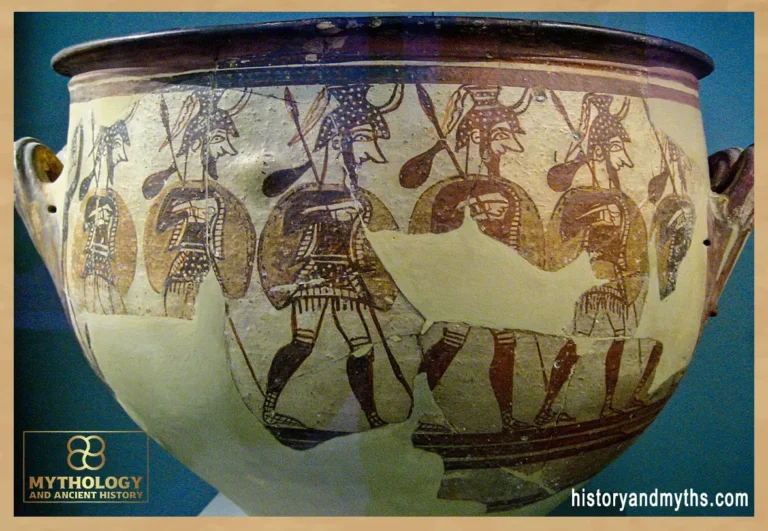
Greek city-states enforced military obligations through civic expectations, registration systems, social pressure, and legal responsibilities connected to defense of the polis. Military service was not treated as a separate professional activity for most citizens, but as an essential duty tied to political membership and communal survival.
To maintain military readiness, Greek governments organized systems that identified eligible citizens, monitored obligations, and pressured individuals to fulfill their responsibilities during war or emergency. Honor, public reputation, and civic identity all played important roles in encouraging participation and discouraging avoidance of military service.
Why Military Service Was Important in Greek Cities
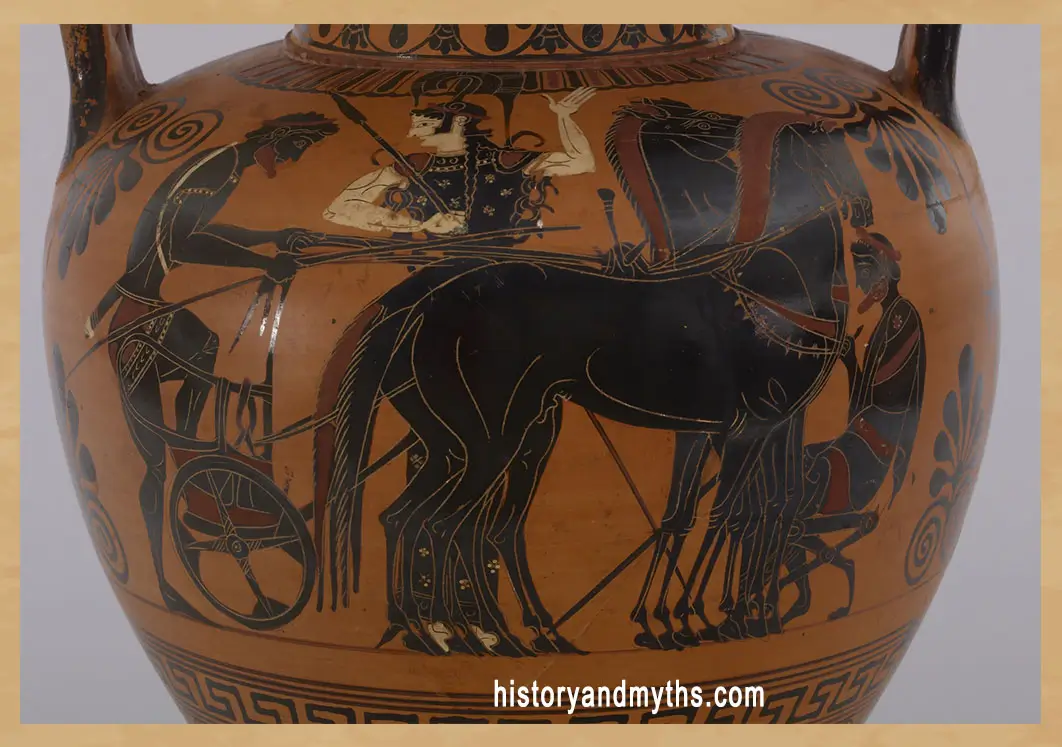
Military service held central importance in Greek city-states because most poleis depended heavily on citizen participation for defense and survival. Greek governments rarely maintained large permanent professional armies, making collective military obligation essential during war, invasion, or regional conflict.
Defense of the polis was closely connected to civic identity. Citizens who participated in military service helped protect political independence, public institutions, farmland, trade routes, and religious centers tied to the wider community.
Military readiness also influenced political stability. Cities that failed to organize reliable systems of defense risked external domination, internal disorder, or loss of influence within the Greek world.
How Military Obligations Were Enforced in Ancient Greece
| Enforcement Method | Role in Greek Military Organization |
|---|---|
| Citizen Registration | Identified eligible citizens for military service |
| Social Expectations | Encouraged participation through honor and reputation |
| Local Communities | Helped monitor fulfillment of military duties |
| Penalties | Discouraged avoidance of military responsibilities |
| Emergency Mobilization | Allowed faster military response during crises |
Registration and Military Eligibility
Greek city-states used administrative organization to identify which citizens were expected to perform military service. Registration systems helped governments track age groups, local affiliations, and civic status connected to military obligations inside the polis.
In Athens, local demes played an important role in organizing eligible citizens and linking individuals to broader state structures responsible for defense and mobilization. Administrative records improved the ability of governments to prepare for military campaigns without relying entirely on informal personal knowledge.
This organization also helped cities respond more efficiently during emergencies. Authorities could mobilize citizens through established civic networks rather than creating temporary systems each time military service became necessary.
Civic Duty and Social Expectations
Military participation in Ancient Greece was reinforced not only through administration, but also through strong social expectations connected to citizenship and public responsibility. Communities often viewed defense of the polis as a shared obligation rather than a private personal choice.
Honor and reputation influenced military behavior because courage, discipline, and willingness to serve affected how individuals were judged within civic life. Citizens who fulfilled military duties could strengthen their public standing, while avoidance of service risked criticism or damage to social reputation.
This social pressure became especially effective in smaller Greek communities where public behavior remained highly visible. Expectations connected to loyalty, responsibility, and defense helped governments encourage military participation even without large permanent enforcement systems.
Military Service and Political Participation
In many Greek city-states, military obligation was closely connected to participation in civic life. Citizens expected to share political responsibilities were often also expected to contribute to the defense of the polis during periods of conflict.
This relationship strengthened the connection between rights and obligations inside Greek political systems. Participation in public life was tied not only to status or identity, but also to willingness to support the community through military service when necessary.
The connection between defense and citizenship also reinforced collective loyalty to the polis. Military participation became part of how individuals demonstrated commitment to the political community and its survival.
Military Duty Was Part of Civic Responsibility
Ancient Greek city-states enforced military obligations through civic expectations, registration systems, local organization, and social pressure connected to defense of the polis. Military participation became closely tied to citizenship, political belonging, and collective survival.
© historyandmyths.com — Educational use
Penalties for Avoiding Military Duties
Greek city-states could impose penalties on citizens who failed to meet military obligations, especially during periods of war or emergency. Avoiding service was often treated as a serious failure of civic responsibility because military participation was closely connected to protection of the polis.
Consequences varied between communities and political systems, but social criticism, loss of reputation, legal penalties, or restrictions connected to civic status could all result from refusal to fulfill expected duties. Public shame itself sometimes acted as a powerful form of enforcement within highly visible civic environments.
These pressures reflected the broader belief that defense of the community required collective participation. Governments and citizens alike viewed military avoidance as behavior capable of weakening both political stability and public security.
Sparta and Athens Compared
Sparta and Athens enforced military obligations through different political and social structures shaped by their broader civic systems. Sparta relied heavily on lifelong military discipline, collective training, and strict social organization that integrated warfare deeply into daily life.
Athens depended more on administrative organization, naval mobilization, civic registration, and participation by citizens connected to democratic institutions. Military service remained important, but enforcement operated through a combination of civic expectation, public accountability, and organized state systems rather than permanent military control over society.
These differences reflected broader contrasts between Greek city-states. Military enforcement across the Greek world adapted to local political structures, social values, and strategic priorities rather than following a single uniform model.
Why Military Enforcement Strengthened Greek States
Systems that enforced military obligations helped Greek governments maintain more organized and reliable defenses during periods of conflict. States capable of mobilizing citizens efficiently could respond faster to invasions, protect territory more effectively, and sustain military campaigns with greater stability.
Military enforcement also strengthened civic coordination inside the polis. Registration systems, social expectations, and organized obligations connected citizens more directly to the responsibilities of collective defense and political survival.
By linking military participation to citizenship and public duty, Greek city-states created stronger relationships between political authority, civic identity, and state security. Enforcement mechanisms therefore became part of the broader administrative structure that supported the stability of Greek governments.
Why Local Communities Helped Enforce Military Duties
Local communities played an important role in enforcing military obligations because Greek city-states often depended on close social networks rather than large centralized bureaucracies. Demes, neighborhoods, and local civic groups helped authorities identify who was expected to serve and whether obligations were being fulfilled.
In smaller communities, military participation remained highly visible. Citizens knew which individuals appeared during mobilization, who contributed to defense efforts, and who attempted to avoid responsibilities connected to warfare. This visibility strengthened social pressure and reduced anonymity inside the polis.
Local organization also improved coordination between governments and citizens. Administrative systems functioned more effectively when civic duties could be monitored through established community structures familiar with local families and social relationships.
Military Readiness and Emergency Mobilization
Greek governments needed systems capable of mobilizing citizens quickly during invasions, rebellions, or sudden regional conflicts. Organized military obligations helped states respond faster because eligible citizens were already connected to administrative and civic structures prepared for mobilization.
Preparation reduced confusion during emergencies. Registration systems, local organization, and established expectations allowed governments to assemble forces more efficiently without creating entirely new structures each time conflict appeared.
This readiness became especially important in the competitive political environment of the Greek world, where alliances, rivalries, and warfare could change rapidly. States with stronger mobilization systems often possessed greater military flexibility and political resilience during periods of instability.
Key Takeaways
- Greek city-states relied heavily on citizens to fulfill military obligations.
- Registration systems helped identify eligible individuals for military service.
- Honor, reputation, and civic expectations reinforced participation in defense.
- Local communities helped monitor military responsibilities within the polis.
- Penalties and public criticism discouraged avoidance of service.
- Sparta and Athens enforced military obligations through different systems.
- Military enforcement strengthened state organization and emergency readiness.
Frequently Asked Questions
How were military obligations enforced in Ancient Greece?
Greek city-states enforced military duties through civic expectations, registration systems, social pressure, local organization, and legal responsibilities connected to defense of the polis.
Why was military service important in Greek city-states?
Most Greek governments depended on citizen participation for defense, political stability, and protection of the community.
Did Ancient Greece have professional armies?
Most Greek city-states relied heavily on citizen soldiers rather than large permanent professional armies.
How did registration systems support military service?
Administrative systems helped governments identify eligible citizens and organize mobilization during war or emergency.
What role did honor play in military obligations?
Honor and public reputation encouraged citizens to fulfill military duties and avoid behavior viewed as cowardly or disloyal.
Were there penalties for avoiding military service?
Yes. Citizens who avoided military obligations could face criticism, legal consequences, loss of status, or public shame.
How did Sparta and Athens differ in military enforcement?
Sparta relied heavily on strict military discipline, while Athens used civic organization, registration systems, and public accountability.
Why did military enforcement strengthen Greek states?
Organized military obligations improved defense, emergency readiness, civic coordination, and political stability.
Sources & Rights
- Hanson, Victor Davis. The Western Way of War: Infantry Battle in Classical Greece. University of California Press, 2000.
- Pritchett, W. Kendrick. The Greek State at War. University of California Press, 1971–1991.
- Cartledge, Paul. Sparta and Lakonia: A Regional History 1300–362 BC. Routledge, 2002.
- Hansen, Mogens Herman. The Athenian Democracy in the Age of Demosthenes. University of Oklahoma Press, 1999.
- Rhodes, P. J. A History of the Classical Greek World: 478–323 BC. Wiley-Blackwell, 2010.
- Finley, Moses I. Politics in the Ancient World. Cambridge University Press, 1983.
- Van Wees, Hans. Greek Warfare: Myths and Realities. Duckworth, 2004.
- Rawlings, Louis. The Ancient Greeks at War. Manchester University Press, 2007.
- Ober, Josiah. Mass and Elite in Democratic Athens. Princeton University Press, 1989.
- Connor, W. Robert. The New Politicians of Fifth-Century Athens. Princeton University Press, 1971.
- Raaflaub, Kurt A. The Discovery of Freedom in Ancient Greece. University of Chicago Press, 2004.
- Hornblower, Simon. The Greek World: 479–323 BC. Routledge, 2011.
- Osborne, Robin. Greece in the Making: 1200–479 BC. Routledge, 2009.
- Anderson, J. K. Military Theory and Practice in the Age of Xenophon. University of California Press, 1970.
- Lazenby, J. F. The Spartan Army. Aris & Phillips, 1985.
- Hunt, Peter. Ancient Greek and Roman Slavery. Wiley-Blackwell, 2018.
- Gabrielsen, Vincent. Financing the Athenian Fleet. Johns Hopkins University Press, 1994.
- Sealey, Raphael. The Athenian Republic. Pennsylvania State University Press, 1987.
- Rhodes, P. J. The Greek City States: A Source Book. Cambridge University Press, 2007.
- Murray, Oswyn. Early Greece. Harvard University Press, 1993.
Written by H. Moses — All rights reserved © Mythology and History