How Ancient Greeks Held Public Officials Accountable
Greek city-states used systems of public review, financial oversight, and civic scrutiny to hold officials accountable and reduce the risk of abuse of power. Political authority in many Greek communities was not treated as unlimited personal control, but as a temporary responsibility subject to examination and public evaluation.
These accountability mechanisms helped governments manage public trust and maintain political stability. Officials could face questioning, financial review, or criticism connected to their conduct in office, especially in highly public political environments such as democratic Athens.
Why Accountability Was Important in Greek Politics
Greek political systems depended heavily on public trust because officials often exercised authority over military decisions, finances, legal administration, and civic organization. Without mechanisms of accountability, concentrated power could threaten political stability and increase the risk of corruption or abuse.
This concern became especially important in city-states where citizens participated directly in political life. Public authority remained closely connected to civic expectations, making oversight necessary to preserve confidence in government institutions and prevent individuals from acting beyond accepted limits.
Accountability also reinforced the idea that officeholding was a temporary civic responsibility rather than permanent personal power. Officials were expected to serve the polis under public scrutiny rather than operate independently from the community that granted authority.
How Greek Officials Were Held Accountable
| Accountability Mechanism | Purpose |
|---|---|
| Limited Terms of Office | Reduced long-term concentration of political power |
| Public Review | Allowed scrutiny of official conduct and decisions |
| Financial Oversight | Monitored the handling of public money and resources |
| Rotation of Office | Prevented permanent political influence and dependency |
| Public Visibility | Exposed officials to continuous civic observation |
Limited Terms of Office
Many Greek city-states limited how long officials could remain in office in order to reduce the concentration of political power. Short terms encouraged rotation within government and made it more difficult for individuals to establish long-term control over important institutions.
This system also increased political participation among citizens by allowing more members of the community to hold administrative or civic responsibilities over time. Public office became connected to temporary service rather than permanent authority controlled by a small ruling group.
Frequent turnover created additional forms of restraint because officials understood that their actions would remain visible after leaving office. Temporary authority therefore worked alongside public scrutiny to discourage misuse of power and strengthen political balance inside the polis.
Public Scrutiny and Review
Greek political systems often subjected officials to examination before, during, and after their time in office. These review processes allowed citizens and governing bodies to evaluate whether public responsibilities had been carried out properly and within accepted legal limits.
In Athens, some officials underwent formal scrutiny before assuming office in order to confirm eligibility and assess their civic standing. After completing their term, additional reviews could examine conduct, financial management, and fulfillment of official duties.
These procedures reinforced the idea that political authority remained accountable to the wider community. Officeholders operated with the understanding that their decisions and behavior could later face public questioning or formal evaluation.
Financial Oversight and Public Money
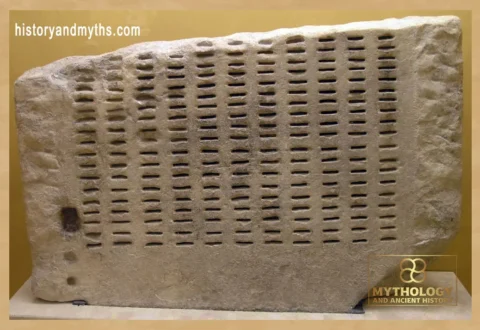
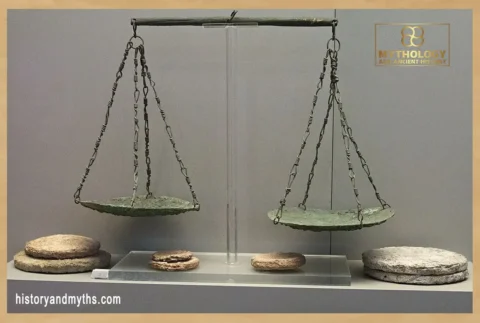
Management of public funds received significant attention in many Greek city-states because financial misuse could weaken trust in government and damage civic stability. Officials responsible for taxes, military spending, construction projects, or religious finances often faced oversight connected to the handling of public resources.
Records, reporting procedures, and financial reviews helped authorities monitor how money was collected and distributed. Public accountability became especially important in cities where state projects and military campaigns required substantial communal funding.
Financial supervision also limited opportunities for officials to use office for personal enrichment without scrutiny. Control over public money therefore became one of the central areas where Greek governments attempted to regulate political behavior and administrative responsibility.
Greek Governments Tried to Limit Unchecked Authority
Ancient Greek political systems used public review, financial oversight, limited terms of office, and civic scrutiny to restrain officials and reduce abuse of power. Accountability became an important part of maintaining political stability and public trust inside the polis.
© historyandmyths.com — Educational use
Accountability in Democratic Athens
Democratic Athens developed some of the most structured accountability mechanisms in the Greek world because political participation involved large numbers of citizens and highly visible public institutions. Government officials operated within systems designed to reduce unchecked authority and maintain civic control over administration.
Many offices were temporary, publicly supervised, and connected to formal review procedures. Citizens could challenge decisions, question conduct, or raise accusations against officials believed to have acted improperly while exercising public authority.
This environment created a political culture where leadership remained exposed to continuous civic evaluation. Authority depended not only on holding office, but also on maintaining legitimacy within a system that expected transparency and public responsibility.
Why Public Visibility Increased Pressure on Officials
Greek officials carried out many responsibilities in environments where citizens could observe political behavior directly. Assemblies, courts, religious festivals, and civic gatherings exposed public actions to constant attention, making political conduct difficult to separate from public judgment.
This visibility increased pressure on officeholders to appear competent, disciplined, and responsible while performing official duties. Decisions, speeches, and administrative failures could quickly become subjects of discussion across the polis, affecting political credibility and future influence.
Public exposure also discouraged some forms of misconduct by increasing the likelihood that questionable behavior would attract criticism or formal attention. Political authority therefore operated within social environments where observation itself became part of accountability.
How Accountability Strengthened Greek Governments
Accountability mechanisms helped Greek governments maintain greater political stability by limiting the concentration of authority and reinforcing expectations of responsible administration. Oversight systems reduced the likelihood that public office would become entirely detached from civic control.
These practices also increased institutional legitimacy. Citizens were more likely to accept political authority when officials remained subject to review, financial examination, and public evaluation rather than operating without restraint.
By connecting power to supervision and temporary service, Greek city-states created administrative systems that balanced authority with civic oversight. Accountability therefore became an important part of how governments preserved order and public confidence inside the polis.
Why Rotation of Office Reduced Political Risk
Frequent rotation in public office helped Greek city-states reduce the political risks associated with long-term authority. Governments limited the ability of individuals to build permanent control over institutions, administrative networks, or public resources by preventing extended occupation of the same position.
Rotation also weakened personal dependency within government structures. Political systems became less vulnerable to domination by a single official because responsibilities moved regularly between different citizens and administrative groups.
This approach encouraged broader participation while protecting the polis from excessive concentration of influence. Authority remained connected to temporary civic service rather than stable personal power supported by permanent officeholding.
Accountability Beyond Athens
Athens developed some of the best-known accountability systems in the Greek world, but oversight mechanisms existed in other Greek city-states as well. Different political systems used different methods to supervise officials, manage authority, and preserve civic stability.
In oligarchic communities, accountability often operated through elite supervision and internal political control rather than broad public participation. Military-oriented states such as Sparta relied more heavily on discipline, collective expectation, and institutional hierarchy to regulate official behavior.
These variations show that accountability was not limited to democratic government alone. Greek political systems across the wider Greek world recognized the dangers of unchecked authority and developed mechanisms intended to restrain political power.
Key Takeaways
- Greek city-states developed systems to monitor and restrain public officials.
- Limited terms of office reduced the concentration of political power.
- Public review procedures examined conduct before and after officeholding.
- Financial oversight monitored the management of public money.
- Public visibility increased pressure on officials inside civic life.
- Rotation of office reduced dependency on long-term political figures.
- Accountability mechanisms strengthened political legitimacy and civic trust.
Frequently Asked Questions
How were Greek officials held accountable?
Greek city-states used public review, financial oversight, limited terms of office, and civic scrutiny to monitor officials and reduce abuse of power.
Why were limited terms of office important in Ancient Greece?
Short terms helped prevent long-term concentration of authority and encouraged political rotation within government.
Did Athens have accountability systems for officials?
Yes. Democratic Athens used formal review procedures, public examination, and financial oversight to supervise officeholders.
How did financial oversight work in Ancient Greece?
Officials responsible for public money could face audits, reviews, and scrutiny connected to state finances and spending.
Why did public visibility matter for Greek officials?
Assemblies, civic gatherings, and public political life exposed officials to constant observation and public judgment.
Did accountability exist outside democratic Athens?
Yes. Other Greek city-states used different systems of oversight, supervision, and political control to regulate authority.
How did rotation of office reduce political risk?
Frequent rotation prevented individuals from building permanent political influence over government institutions.
Why was accountability important in Greek politics?
Accountability helped maintain public trust, political stability, and limits on the misuse of authority.
Sources & Rights
- Hansen, Mogens Herman. The Athenian Democracy in the Age of Demosthenes. University of Oklahoma Press, 1999.
- Rhodes, P. J. A Commentary on the Aristotelian Athenaion Politeia. Oxford University Press, 1981.
- Ober, Josiah. Mass and Elite in Democratic Athens. Princeton University Press, 1989.
- Sinclair, R. K. Democracy and Participation in Athens. Cambridge University Press, 1988.
- Cartledge, Paul. Democracy: A Life. Oxford University Press, 2016.
- Finley, Moses I. Politics in the Ancient World. Cambridge University Press, 1983.
- Connor, W. Robert. The New Politicians of Fifth-Century Athens. Princeton University Press, 1971.
- Davies, John K. Democracy and Classical Greece. Harvard University Press, 1993.
- Sealey, Raphael. The Athenian Republic. Pennsylvania State University Press, 1987.
- Raaflaub, Kurt A. The Discovery of Freedom in Ancient Greece. University of Chicago Press, 2004.
- Meiggs, Russell. The Athenian Empire. Oxford University Press, 1972.
- Osborne, Robin. Greece in the Making: 1200–479 BC. Routledge, 2009.
- Hornblower, Simon. The Greek World: 479–323 BC. Routledge, 2011.
- Hansen, Mogens Herman and Nielsen, Thomas Heine. An Inventory of Archaic and Classical Poleis. Oxford University Press, 2004.
- Aristotle. The Athenian Constitution. Translated editions and academic commentaries.
- Rhodes, P. J. The Greek City States: A Source Book. Cambridge University Press, 2007.
- Roberts, Jennifer Tolbert. Athens on Trial: The Antidemocratic Tradition in Western Thought. Princeton University Press, 1994.
- Forsdyke, Sara. Slaves Tell Tales and Other Episodes in the Politics of Popular Culture in Ancient Greece. Princeton University Press, 2012.
- Ober, Josiah and Hedrick, Charles W. Dēmokratia: A Conversation on Democracies, Ancient and Modern. Princeton University Press, 1996.
- Murray, Oswyn. Early Greece. Harvard University Press, 1993.
Written by H. Moses — All rights reserved © Mythology and History