Provincial Governors in Mesopotamia Under Assyrian and Babylonian Rule
When Assyrian and Babylonian kings spoke about power, they usually spoke about armies, victories, and divine favor. In practice, none of this was enough. Conquest created empires. It did not run them.
What kept Mesopotamian empires functioning was administration. And at the center of that administration stood provincial governors.
These men were not ceremonial officials. They managed taxes, organized labor, supervised local courts, and controlled military detachments. In many provinces, they were more influential in daily life than the king himself. For ordinary inhabitants, imperial rule meant dealing with a governor, not a distant palace.
Rulers understood the danger of this arrangement. Governors controlled information, money, and local alliances. They could stabilize a region. They could also undermine it. Every appointment involved risk.
Assyrian kings responded with surveillance and discipline. Babylonian rulers preferred negotiation and elite cooperation. Both approaches aimed at the same problem: how to control territories that could not be governed directly.
Provincial governors were therefore not minor administrators. They were the practical foundation of imperial authority—and one of its greatest vulnerabilities.
What Was a Provincial Governor?
In Mesopotamian sources, provincial governors appear under several titles, depending on period and region. In Assyrian texts, they are most often called bēl pāḫete—literally “lord of the district.” Babylonian documents use different administrative terms, but the function was broadly similar. A governor was the king’s permanent representative in a defined territory.
This position must be distinguished from two other figures that are often confused with it: vassal kings and military commanders. A vassal ruler retained dynastic legitimacy and governed in his own name, even if subordinated. A military commander exercised authority only during campaigns. A provincial governor, by contrast, was an appointed official. His power derived entirely from royal delegation.
Governors were normally selected from trusted elites, often from families with long service records. Many had previous experience in the army or palace administration. Appointment was therefore both a political reward and a test of loyalty. Promotion implied confidence. Failure meant disgrace.
Legally, governors exercised broad authority. They supervised courts, enforced royal edicts, regulated labor obligations, and managed public works. In some provinces, they also controlled temple revenues and agricultural estates. Their offices functioned as local extensions of central bureaucracy.
Yet their authority was never autonomous. Governors operated within tightly defined limits. They could not negotiate foreign policy, alter tribute arrangements, or appoint successors. All major decisions required confirmation from the capital.
In practice, the governor was neither an independent ruler nor a simple clerk. He was a hybrid figure: administrator, security officer, and political broker. His task was to translate distant royal commands into local realities. Success depended less on formal rules than on judgment, networks, and constant negotiation.
| Aspect | Assyrian Governors | Babylonian Governors |
|---|---|---|
| Appointment | Direct royal selection | Often integrated local elites |
| Oversight | Constant reporting and surveillance | Moderate central supervision |
| Military Role | Strong garrison responsibility | Limited military authority |
| Economic Control | Strict tax quotas and estate management | Temple-linked revenue administration |
| Political Risk | High but monitored | Dependent on elite loyalty |
The Assyrian Provincial System
The Neo-Assyrian Empire did not rely on loose territorial control. It built one of the most structured provincial systems of the ancient Near East. Conquered lands were frequently reorganized into formal provinces rather than left under local dynasties. This decision was deliberate. Direct administration reduced uncertainty.
Each province had defined borders. At its center stood a governor appointed by the king. Around him operated a network of deputies, scribes, military officers, and fiscal agents. The system was not improvised; it was standardized. Titles recur in tablets across different regions, suggesting a replicated administrative template.
Assyrian governors were expected to maintain order, but “order” meant more than preventing rebellion. It meant predictable tax flow, stable agricultural output, functioning roads, and timely military mobilization. Provinces were logistical units as much as political ones.
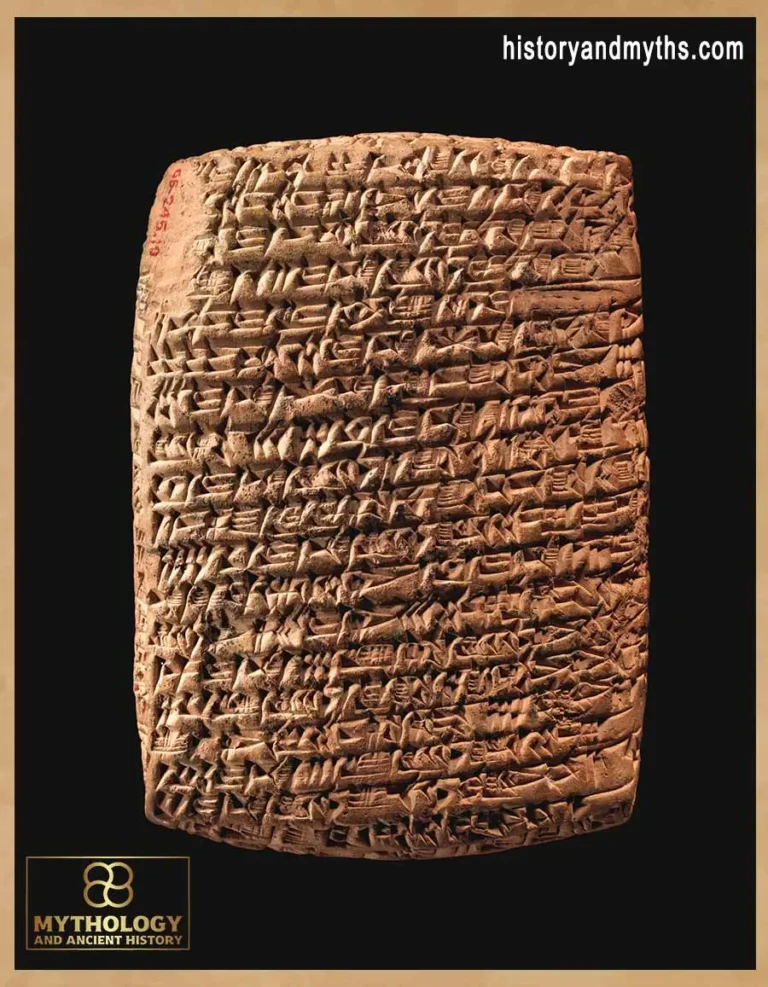
Communication was constant. Letters from governors to the royal court survive in large numbers. They reported on crop conditions, troop movements, rumors of unrest, and disputes among local elites. Information itself was a form of control. A silent province was suspicious.
Importantly, not all territories were treated equally. Core Assyrian lands had tighter oversight, while newly conquered areas could experience gradual integration. Some regions initially retained limited local authority before full provincialization. This flexibility allowed expansion without administrative overload.
The Assyrian provincial system was therefore not just an extension of conquest. It was a mechanism designed to prevent fragmentation. By embedding royal authority into everyday administration, the empire reduced dependence on temporary military presence.
But this efficiency came with a cost. The more centralized the structure, the more dangerous internal breakdown became. When communication failed or governors acted opportunistically, the entire system felt the strain.
Appointment and Loyalty in Assyrian Provinces
Appointment to a provincial governorship was not routine. It was political. Assyrian kings did not distribute provinces casually, because a governor controlled revenue, manpower, and information. Each appointment was an act of trust—and a calculated risk.
Most governors were drawn from the imperial elite. Some came from established administrative families; others had distinguished themselves in military service. Prior experience mattered. A man who had commanded troops or managed palace logistics already understood hierarchy and obedience. That familiarity reduced uncertainty.
Yet loyalty was never assumed. It had to be reinforced. Governors swore formal oaths to the king, invoking divine witnesses. These were not symbolic gestures. In Assyrian political culture, oath-breaking was both treason and sacrilege. The language of these agreements reveals anxiety about betrayal.
The king also avoided concentrating power excessively in one individual. Provincial territories were often divided, and neighboring governors monitored one another indirectly. Overlapping responsibilities created a subtle balance. No official operated in complete isolation.
Regular correspondence strengthened oversight. Governors sent frequent reports to the capital. Silence could be interpreted as concealment. In several surviving letters, officials appear eager to demonstrate vigilance, even exaggerating threats to prove loyalty. Information became performance.
Punishment for disloyalty was swift. Removal from office, confiscation of property, and public humiliation are attested. In extreme cases, rebellion resulted in execution. The office offered prestige—but it offered no protection against suspicion.
The system reveals a paradox. Assyrian kings depended heavily on provincial governors, yet they never fully trusted them. Administrative delegation and political fear coexisted. The empire required capable men in distant regions, but it feared the independence that capability might generate.
That tension shaped the entire provincial structure.
Taxation and Resource Control
If military conquest defined Assyrian expansion, taxation sustained it. Provincial governors stood at the center of this process. Their primary obligation was to ensure a steady, predictable flow of resources toward the imperial core.
Taxes were not limited to silver. Provinces delivered grain, livestock, timber, metals, textiles, and specialized goods depending on local production. Some regions functioned as agricultural hubs; others supplied horses or strategic materials. The governor’s task was to convert regional output into imperial supply.
Collection required organization. Governors supervised storage facilities, regulated transport routes, and coordinated labor for shipment. Delays were unacceptable. Surviving letters show officials explaining crop shortages, weather damage, or logistical disruptions—always with a tone of justification. Failure to meet quotas demanded explanation.
Beyond taxation, governors managed royal estates within their provinces. These lands produced directly for the crown and were administered through local managers under provincial oversight. Estate management blurred the line between public revenue and royal property. In practice, both reinforced central authority.
Control over resources also meant control over people. Labor obligations—whether agricultural, military, or infrastructural—were organized at the provincial level. Governors mobilized workers for road building, fortification maintenance, and supply caravans. The province functioned as a labor reservoir.
Yet this system created opportunity for abuse. Governors who controlled storage and distribution possessed leverage. Manipulating accounts, delaying reports, or favoring local elites could generate private advantage. The need for constant reporting to the capital reflects awareness of this vulnerability.
Taxation, then, was not merely economic extraction. It was a structural mechanism of control. A province that delivered reliably was considered stable. One that failed economically signaled administrative weakness—or political danger.
Core Functions of Provincial Governors
- Collecting and regulating taxation
- Supervising labor and royal estates
- Maintaining internal security
- Reporting intelligence to the capital
- Managing relations with local elites
© historyandmyths.com — Educational Use
Military and Security Responsibilities
Provincial governors were administrators, but they were never purely civilian officials. In the Assyrian system, governance and security were inseparable. Every province functioned as a potential military zone, and every governor was expected to manage violence as well as paperwork.
Each province maintained local troops. These forces included garrison soldiers, auxiliary units, and armed retainers attached to administrative centers. Governors supervised their deployment, provisioning, and readiness. In peacetime, these troops protected roads, storage facilities, and settlements. In wartime, they supported royal campaigns.
Security responsibilities extended beyond formal armies. Governors monitored population movements, refugee flows, and displaced communities created by deportation policies. Large-scale resettlement was a deliberate Assyrian strategy, but it generated instability. Provincial officials had to prevent unrest among relocated groups and integrate them into local economies.
Internal policing was equally important. Banditry, inter-communal conflict, and elite rivalries threatened administrative stability. Governors acted as mediators and enforcers. They intervened in disputes, imposed fines, and authorized arrests. Order was maintained through constant low-level coercion.
Border provinces carried additional burdens. They functioned as buffers against rival powers. Governors in frontier regions coordinated intelligence gathering, reinforced fortifications, and prepared defensive responses. Failure in these zones exposed the empire to invasion.
Communication with the royal army was continuous. Governors supplied logistical data, provided recruits, and prepared routes for marching forces. Campaigns depended on provincial infrastructure long before soldiers arrived.
This militarized administration reduced dependence on permanent occupation. Control was embedded locally. Yet it also intensified pressure on governors. Administrative failure could quickly become a security crisis. In Assyria, mismanagement was rarely a minor error. It was a strategic risk.
Reporting and Surveillance Networks
No provincial system can function without information. The Assyrian empire understood this clearly. Governors were not only expected to administer territory; they were expected to report continuously on its condition.
Surviving correspondence from the Neo-Assyrian period reveals an administrative culture built on written updates. Governors informed the king about harvest levels, troop morale, rumors of unrest, border movements, and disputes among local elites. These letters were not optional. They were structural.
Silence was dangerous. A governor who failed to communicate risked suspicion. The court in Nineveh depended on provincial reports to anticipate crises. Information traveled along established routes through messengers and scribal networks. The empire’s ability to respond quickly relied on this steady flow.
Surveillance extended beyond formal reports. Governors monitored local leaders, temple officials, and military subordinates. They assessed loyalty and relayed concerns upward. In some cases, overlapping jurisdictions ensured that different officials reported on the same events. Redundancy limited concealment.
The system produced tension. Governors had to demonstrate vigilance without exaggerating threats. Some letters show officials emphasizing minor disturbances, likely to signal loyalty and competence. Reporting became a performance of reliability.
At the same time, the central court cross-checked information. Intelligence did not depend on a single voice. The empire’s administrative design recognized the risk of distortion and attempted to reduce it.
This network of correspondence reveals something essential. Assyrian control was not sustained solely through force. It was sustained through awareness. Provinces were watched, measured, and evaluated. Authority depended on knowledge as much as coercion.
Babylonian Provincial Governance
Babylonian administration differed from the Assyrian model in both tone and structure. While Assyria emphasized direct control and constant surveillance, Neo-Babylonian rulers relied more heavily on negotiated authority and elite cooperation.
Babylonian provinces were often administered through established local families. Instead of replacing existing elites, the state integrated them into imperial service. Governors frequently emerged from regional aristocracies with long-standing social influence. This reduced resistance but increased dependence on personal relationships.
Documentation suggests looser central supervision. Correspondence exists, but not in the overwhelming volume found in Assyrian archives. Babylonian kings expected loyalty, yet they tolerated greater administrative autonomy. This reflected both political tradition and strategic calculation.
Economic management remained central. Governors supervised taxation, estate administration, and temple finances. However, temples played a stronger role in Babylonian provincial life. Priestly institutions functioned as economic and social anchors, often cooperating with governors in revenue collection and labor organization.
Military responsibilities were more limited. Babylonian provinces maintained local forces, but large-scale security operations were usually coordinated directly by the royal court. This reduced administrative militarization but increased reliance on centralized mobilization.
The Babylonian system worked best under stable leadership. It functioned through consensus among elites rather than constant coercion. When royal authority weakened, provincial loyalty became fragile. Local power holders could shift allegiance rapidly.
In comparison with Assyria, Babylonian governance was less intrusive but also less resilient. It depended on trust and shared interest rather than fear and surveillance. This made administration smoother in peaceful periods—and vulnerable during crisis.
Continue Reading
Corruption and Abuse of Power
Provincial administration created opportunities for efficiency, but it also created opportunities for exploitation. Governors controlled taxation, labor, storage facilities, and legal authority. This concentration of power made abuse structurally possible, even when central oversight was strong.
Surviving letters and legal documents reveal frequent complaints about misappropriation. Some governors diverted tax goods, manipulated accounts, or delayed deliveries in order to extract private profit. Others favored relatives and local allies in land distribution or labor assignments. These practices were rarely accidental. They reflected deliberate strategies to build personal wealth and influence.
Economic control was the most common channel of abuse. Officials who managed grain stores or transport routes could conceal shortages, inflate quotas, or redirect supplies. Because verification was difficult at a distance, minor distortions were hard to detect. Over time, small irregularities could become systematic corruption.
Judicial authority also invited manipulation. Governors supervised courts and enforced royal decrees. This allowed them to pressure litigants, protect allies, or intimidate rivals. Legal power became a political instrument.
The central government was aware of these risks. Periodic inspections, audits, and special envoys attempted to limit abuse. In some cases, investigations led to dismissal or punishment. However, enforcement depended on reliable information. Well-connected governors could sometimes evade scrutiny.
Corruption was therefore not a deviation from the system. It was an inherent byproduct of delegated authority. Empires needed provincial officials to govern distant territories, yet this necessity inevitably created spaces for private exploitation.
Managing this tension—between administrative efficiency and moral hazard—was one of the central challenges of Mesopotamian imperial rule.
Governors vs. Vassal Rulers
Mesopotamian empires employed two main strategies to control conquered territories: direct administration through governors, and indirect rule through vassal rulers. These models coexisted, but they served different political purposes.
A provincial governor ruled in the name of the king. His authority derived entirely from appointment. He could be transferred, dismissed, or punished at any time. His position depended on continued royal favor. This made him structurally dependent on the center.
A vassal ruler governed in his own name. He retained dynastic legitimacy, local prestige, and often religious authority. In exchange, he recognized imperial supremacy, paid tribute, and followed foreign policy directives. His loyalty was secured through treaties and hostages rather than direct supervision.
Governorship offered tighter control. It reduced the risk of dynastic rebellion and simplified taxation. Provinces integrated more fully into imperial infrastructure. However, it required extensive bureaucratic investment and constant monitoring.
Vassalage reduced administrative costs. Local rulers managed daily affairs using existing institutions. This model worked best in peripheral regions or culturally distinct areas where direct rule would provoke resistance. Yet it carried higher political risk. Vassals could defect, conspire, or exploit imperial weakness.
Empires shifted between these systems pragmatically. Newly conquered regions might begin as vassal states and later be converted into provinces. Conversely, unstable provinces could be reorganized under client rulers.
The choice between governors and vassals was therefore strategic, not ideological. It reflected calculations about cost, loyalty, geography, and long-term control.
Understanding this distinction clarifies how Mesopotamian empires balanced expansion with manageability.
Provincial Administration as Imperial Backbone
By the seventh century BCE, Mesopotamian empires had accumulated vast territories, diverse populations, and complex economic networks. Military force alone could not hold such systems together. Provincial administration became the structural framework that transformed conquest into governance.
Governors connected the center to the periphery. Through taxation, security management, and reporting, they integrated distant regions into a single operational system. Roads, storage facilities, garrisons, and archives formed an administrative infrastructure that outlasted individual reigns.
This structure reduced reliance on charismatic leadership. An effective emperor mattered, but continuity depended on institutions. Even during periods of weak kingship, provincial mechanisms often continued functioning. Taxes were collected. Troops were mobilized. Orders circulated.
At the same time, the system imposed limits on imperial flexibility. Bureaucratic routines created inertia. Rapid reform became difficult. When crises emerged, administrative rigidity could delay response. What stabilized empire in normal times could undermine it during emergencies.
Provincial administration also shaped imperial identity. Subjects experienced empire not through royal monuments, but through officials, courts, warehouses, and patrols. Authority became embedded in everyday interactions.
This institutionalization of power distinguished Mesopotamian empires from earlier conquest states. They did not merely dominate territory. They managed it continuously.
Yet this backbone was fragile. When trust collapsed, communication failed, or resources dried up, administrative coherence disintegrated. Empires fell not only because of enemies, but because their internal systems ceased to function.
Provincial governors were not secondary figures in Mesopotamian empires. They were central to how power operated in practice. Through them, royal authority entered villages, fields, courts, and marketplaces. Without their daily management, imperial rule would have remained episodic and unstable.
The Assyrian model emphasized discipline, surveillance, and administrative uniformity. It produced efficiency and rapid mobilization, but required constant coercion. The Babylonian model relied more on elite cooperation and institutional continuity. It offered stability in calm periods, yet weakened under political pressure.
Both systems depended on the same fragile balance. Governors had to be strong enough to enforce policy, yet restrained enough to remain loyal. They had to manage resources without monopolizing them. They had to report honestly while protecting their own position.
This balance was never permanent. It had to be renewed with every appointment and every reign. When oversight weakened, corruption expanded. When trust eroded, administration fragmented. Collapse followed not as a sudden event, but as an administrative failure.
Studying provincial governors therefore reveals more than bureaucratic history. It exposes how ancient empires confronted the fundamental problem of scale: how to rule vast territories with limited technology, slow communication, and human ambition.
Their solutions were sophisticated. Their limitations were structural. Both shaped the rise and fall of Mesopotamian imperial power.
Key Takeaways
- Provincial governors were the operational core of imperial rule.
- Assyria relied on surveillance and militarized administration.
- Babylon preferred negotiated authority with local elites.
- Delegated power created structural risks of corruption.
- Administrative failure contributed to imperial collapse.
Frequently Asked Questions
What was a provincial governor in Mesopotamia?
A royal official appointed to administer a defined territory on behalf of the king.
How were Assyrian governors supervised?
Through constant written reports, inspections, and overlapping authority structures.
Did Babylon use the same provincial system as Assyria?
No. Babylon relied more on cooperation with established local elites.
Were governors responsible for military forces?
Yes, especially in Assyria where governors supervised garrisons and security units.
Could governors become corrupt?
Yes. Control over taxation and estates created opportunities for abuse.
What is the difference between a governor and a vassal king?
A governor was directly appointed by the empire, while a vassal retained local dynastic authority.
Why were provincial governors important?
They transformed military conquest into continuous administrative control.
Sources & Rights
- Radner, Karen. Ancient Assyria: A Very Short Introduction.
- Postgate, J.N. Early Mesopotamia: Society and Economy.
- Van de Mieroop, Marc. A History of the Ancient Near East.
- Liverani, Mario. The Ancient Near East.
- Kuhrt, Amélie. The Ancient Near East c. 3000–330 BCE.
- Parpola, Simo. Neo-Assyrian Letters.
- Fales, Frederick. Imperial Administration in Assyria.
- Richardson, Seth. Rebellions and Administrative Collapse in Assyria.
- Beaulieu, Paul-Alain. The Reign of Nabonidus.
- Grayson, A.K. Assyrian Royal Inscriptions.
- Glassner, Jean-Jacques. Mesopotamian Chronicles.
- Oppenheim, A. Leo. Ancient Mesopotamia.
- Hallo, William. The Context of Scripture.
- Briant, Pierre. From Cyrus to Alexander.
- Machinist, Peter. Assyrian Political Ideology.
- Wiseman, D.J. Chronicles of Chaldaean Kings.
- Yoffee, Norman. Myths of the Archaic State.
- Steinkeller, Piotr. Administrative Systems of Early Mesopotamia.
- Charpin, Dominique. Writing, Law, and Kingship in Babylon.
- Lambert, W.G. Babylonian Administrative Texts.
Written by H. Moses — All rights reserved © Mythology and History