The Four Celtic Festivals: How Druids Shaped Samhain to Lughnasadh
The Cycle of Celtic Festivals In the old Celtic lands, the passing of time was measured by the turning of the seasons and the glow of fires lit against the…
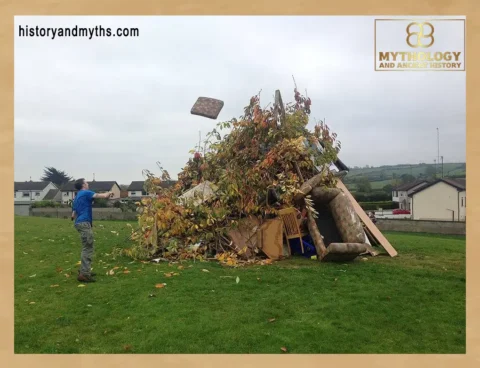
The Cycle of Celtic Festivals In the old Celtic lands, the passing of time was measured by the turning of the seasons and the glow of fires lit against the…
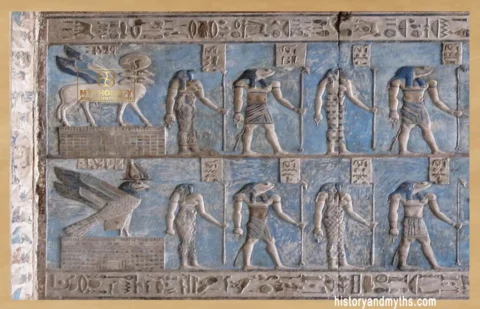
The Ogdoad was a group of eight primordial deities worshipped at Hermopolis (Khmunu) in Ancient Egypt. They represented the chaotic state before creation—darkness, hiddenness, infinity, and watery abyss—paired as four…
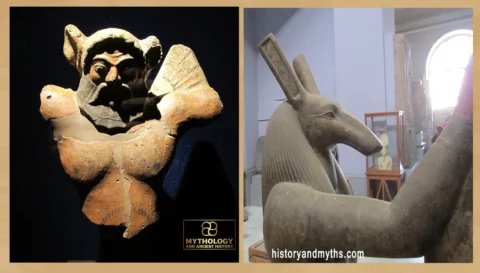
Set and Typhon are often described as the gods of chaos in Egyptian and Greek mythology, yet they represent two very different ideas of disorder. Set was an Egyptian deity…
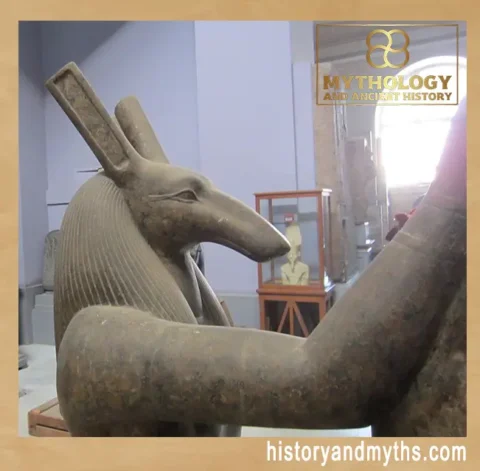
In the silence of the desert night, when the wind whips across endless dunes and the horizon glows faintly beneath a canopy of stars, the Egyptians imagined a presence lurking…
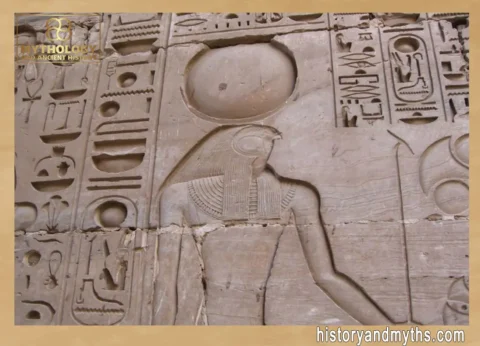
Khonsu was one of the most important gods in ancient Egyptian religion, best known as the god of the moon, time, healing, and divine protection. Worshipped primarily at Thebes, he…
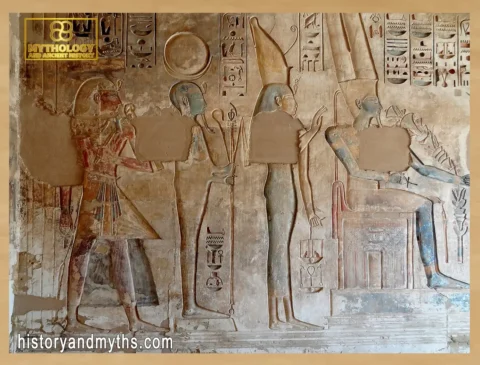
Introduction At the break of day along the Nile, when the morning haze drifted lazily above the water and the cliffs of the valley caught fire with the first pale…
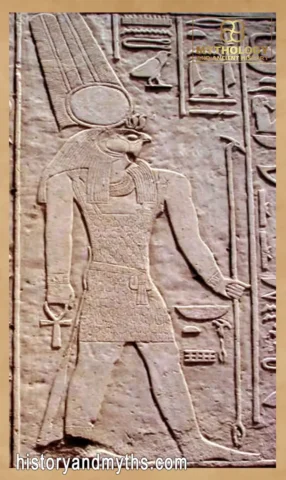
Introduction: The War Cry of Thebes When the desert winds swept across the Nile Valley and the armies of Thebes marched to defend their homeland, a falcon soared in the…
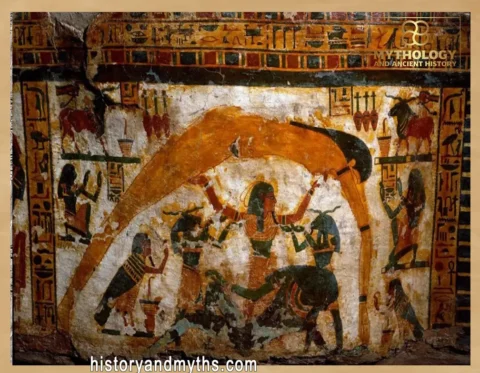
Introduction: The Eternal Lovers of Egyptian Myth In the heart of ancient Egyptian imagination, myths were more than stories—they were explanations for the mysteries of the universe. Among these tales,…
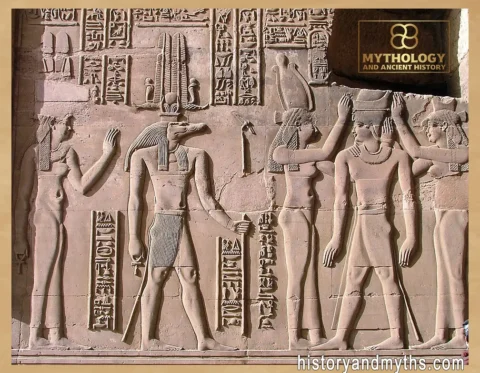
The Fierce Power of the Nile Under the scorching Egyptian sun, the Nile shimmered like a vein of liquid silver, carrying both hope and dread. Its waters fed the crops,…
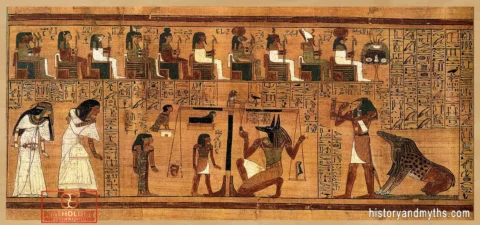
Entering the Hall of Two Truths Imagine standing in silence after death, drifting beyond the boundaries of the living world. The ancient Egyptians believed that this journey would not end…
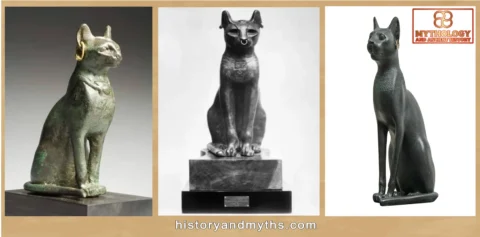
Bastet: The Gentle Protector and Fierce Guardian of Ancient Egypt When people today think of cats in ancient Egypt, the image of sleek felines resting in sunlit courtyards often comes…
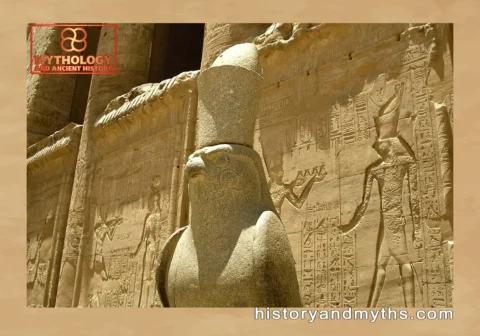
Egypt’s Falcon Guardian Among the pantheon of ancient Egypt, Horus stands out not only for his striking falcon form but also for what he represented to millions over centuries. He…
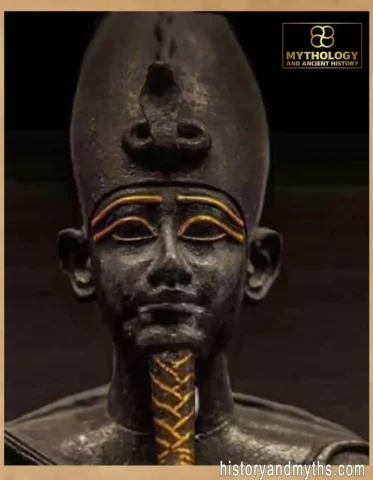
Osiris: God of the Afterlife and Fertility When you step into the world of ancient Egyptian belief, few figures loom as large and enduring as Osiris. To the people of…
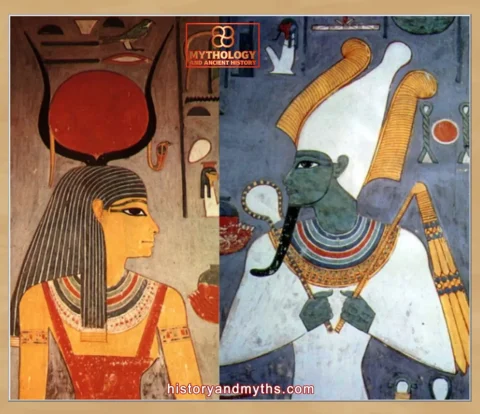
Introduction: An Epic That Defined Ancient Egypt The legend of Isis and Osiris is more than a simple folktale—it is the heart of ancient Egyptian spirituality. Combining love, betrayal, death,…
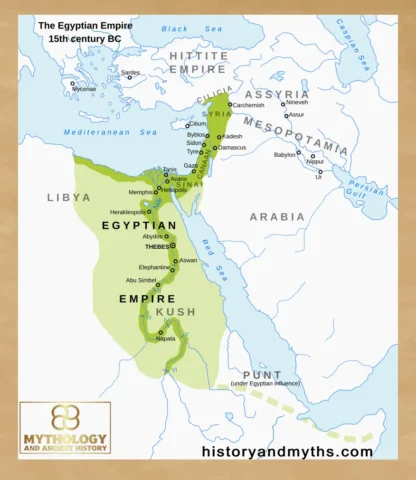
Ahmose I: Egypt’s Hero and the Dawn of the 18th Dynasty Ahmose I stands among the most distinguished kings of ancient Egypt—a hero of its liberation, and the valiant knight…
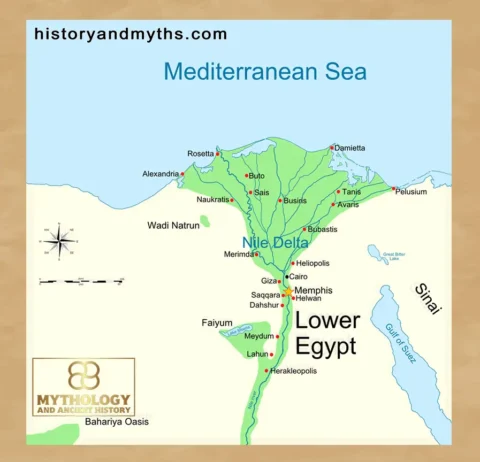
Who Were the Hyksos? According to the ancient Egyptian historian Manetho, during the reign of King Toutimaios, Egypt faced an unexpected disaster: “For reasons unknown to me, a blast from…
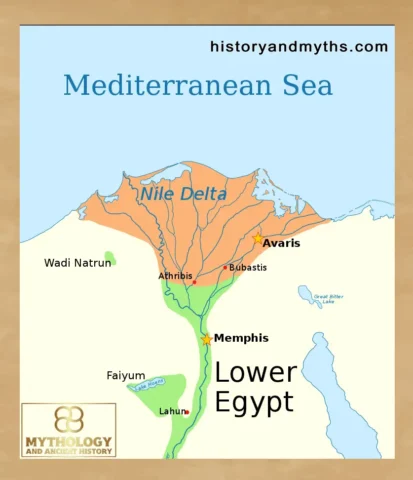
Why Did the 12th Dynasty Collapse? Key Theories Behind the Decline of Egypt’s Golden Age The Twelfth Dynasty was undoubtedly one of Egypt’s golden ages, and King Amenemhat III was…
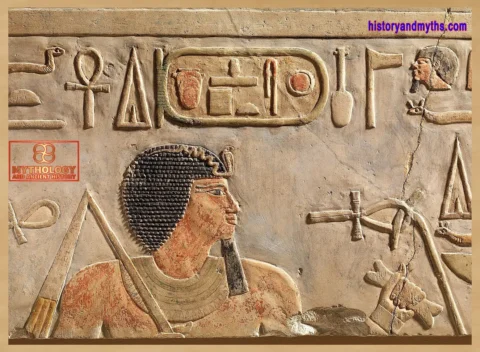
Historical Background & the Rise of Amenemhat I Amenemhat I stabilized the situation by establishing boundaries between the provincial rulers and their neighbors. They accepted his imposition of taxes and…