Magical Symbols in Ancient Egypt: How Images and Words Protected Life
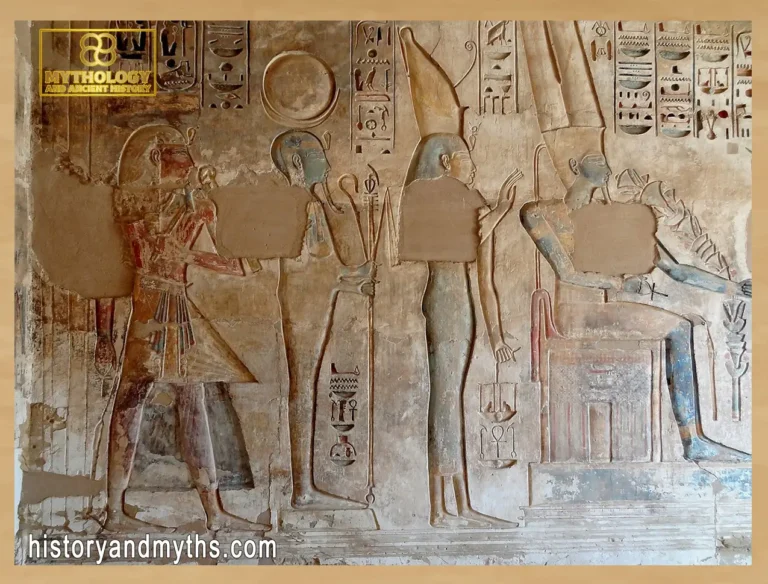
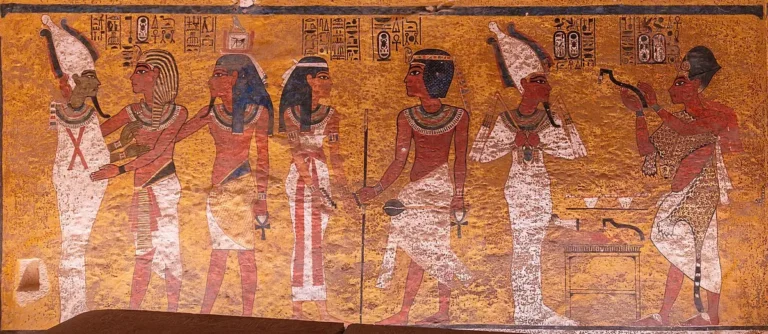
In ancient Egypt, a symbol was never just a picture. It was an action. To carve a sign, draw an image, or inscribe a word was not to represent power—but to activate it. Symbols were expected to do something: protect the body, secure a threshold, stabilize sleep, or guide the soul through danger. If a symbol failed to perform, it had no value, no matter how beautiful it looked.
This is why Egyptian symbols appear everywhere—on amulets, walls, coffins, papyri, and even everyday objects. Their purpose was not decoration, but function. A shape could bind chaos, a written name could fix reality, and a repeated image could maintain protection without constant ritual. Symbols allowed magic to operate quietly and continuously, especially in moments when human control weakened.
This article explains how magical symbols actually worked in ancient Egyptian thought. Rather than listing famous signs, it explores the principles that made symbols effective: form, context, material, and words of power. By understanding these mechanisms, we can see why the same symbol could protect a child, guard a home, and guide the dead—without ever changing its shape.
What Makes a Symbol “Magical” in Ancient Egypt?
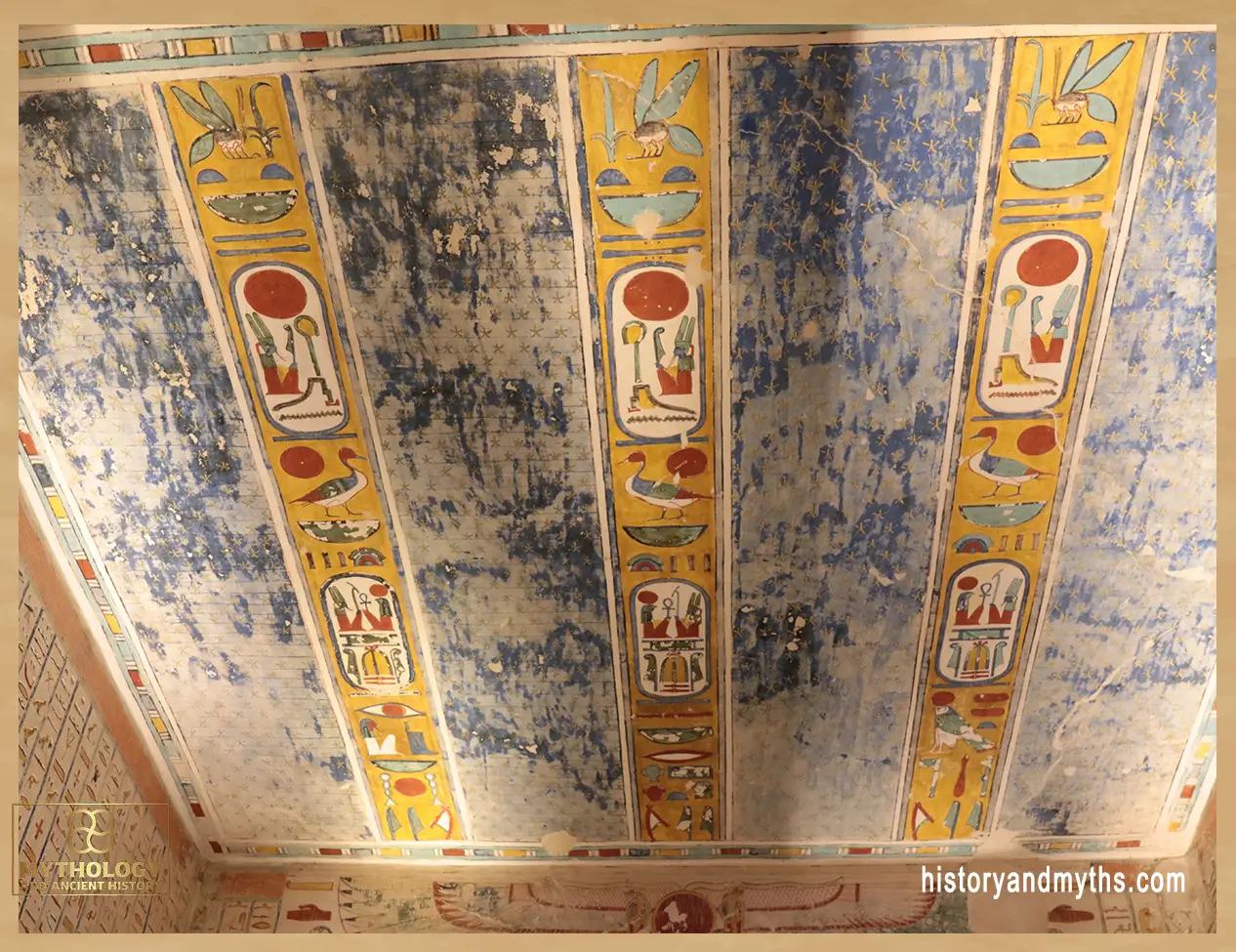
For the ancient Egyptians, a symbol became “magical” not because it was mysterious, but because it participated in reality. A symbol was effective when it crossed the boundary between representation and action. It did not point to power from a distance; it brought that power into presence. This belief explains why symbols were treated with precision, caution, and respect.
At the core of this idea was ḥeka, the force that allowed words, images, and gestures to operate in the world. Heka was not separate from reality—it was embedded within it. When a symbol was correctly formed and placed, it functioned as a channel through which heka could act. A poorly made or misplaced symbol, by contrast, was inert. Accuracy mattered because function depended on it.
Crucially, meaning alone was not enough. A symbol could be widely recognized and still fail to work if its conditions were wrong. What mattered was whether the symbol was activated. Activation occurred when form, context, and intention aligned. This is why the same sign could appear in different places and perform different roles without contradiction. The symbol itself remained stable; its function shifted with use.
This framework also clarifies why Egyptian symbols often appear repetitive. Repetition was not redundancy—it was maintenance. By repeating an image or inscription, Egyptians reinforced its presence and renewed its effect. A symbol carved once could act continuously, but a symbol repeated acted with endurance. In a world where danger was constant, persistence was as important as power.
| Aspect | Symbol as Decoration | Symbol as Magical Tool |
|---|---|---|
| Primary Purpose | Visual or aesthetic value | Active protection, control, or guidance |
| Relation to Power | Represents an idea or belief | Performs and channels power (ḥeka) |
| Dependence on Context | Meaning remains mostly fixed | Function changes by place, time, and use |
| Role of Material & Color | Chosen for appearance | Chosen to amplify life, protection, or restraint |
| Relation to Words | Optional or descriptive | Essential for activation and precision |
| Duration of Effect | Static and passive | Continuous and self-sustaining |
| Failure Risk | No practical consequence | Loss of protection or misdirection |
The Four “Switches” That Activate a Symbol
In ancient Egyptian practice, a symbol did not work automatically. It required activation. This activation depended on four interconnected “switches” that determined whether a symbol would remain a passive image or become an active force. When all four aligned, the symbol performed its function; when one failed, its power weakened or disappeared.
Form was the first switch. A symbol had to be recognizable and correctly rendered. Precision was not aesthetic—it was operational. A distorted shape could confuse function, just as an incorrect word could misdirect meaning. The clearer the form, the more effectively it could channel power. This is why certain symbols remained visually consistent for centuries.
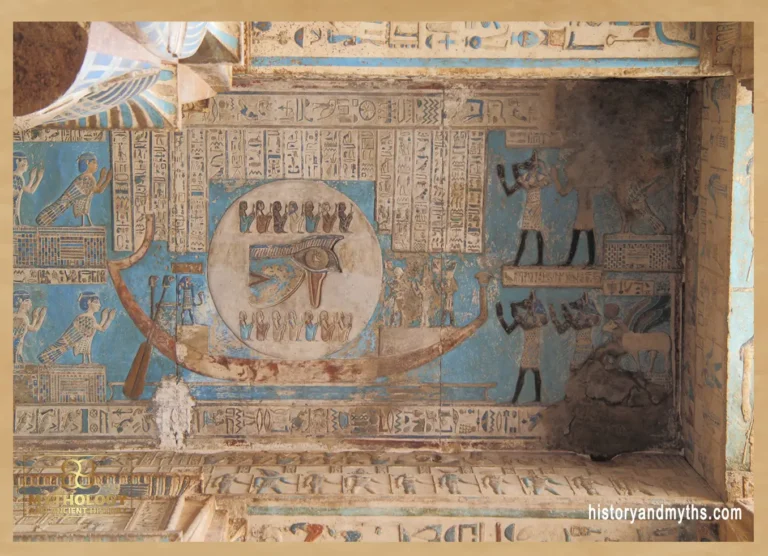
Context was the second switch. Where a symbol appeared defined what it did. The same sign placed on the body protected vulnerability; placed at a doorway, it guarded passage; placed in a tomb, it guided transition. Context transformed function without altering shape. Egyptian symbolism was flexible because it was situational, not abstract.
Material and color formed the third switch. Symbols were not neutral carriers; their substance amplified or directed effect. Blue and green materials emphasized life, renewal, and protection. Red could restrain danger or absorb harmful forces. Stone, metal, or faience each carried different degrees of permanence and visibility. A symbol carved in stone acted differently from one painted on papyrus, even if their forms were identical.
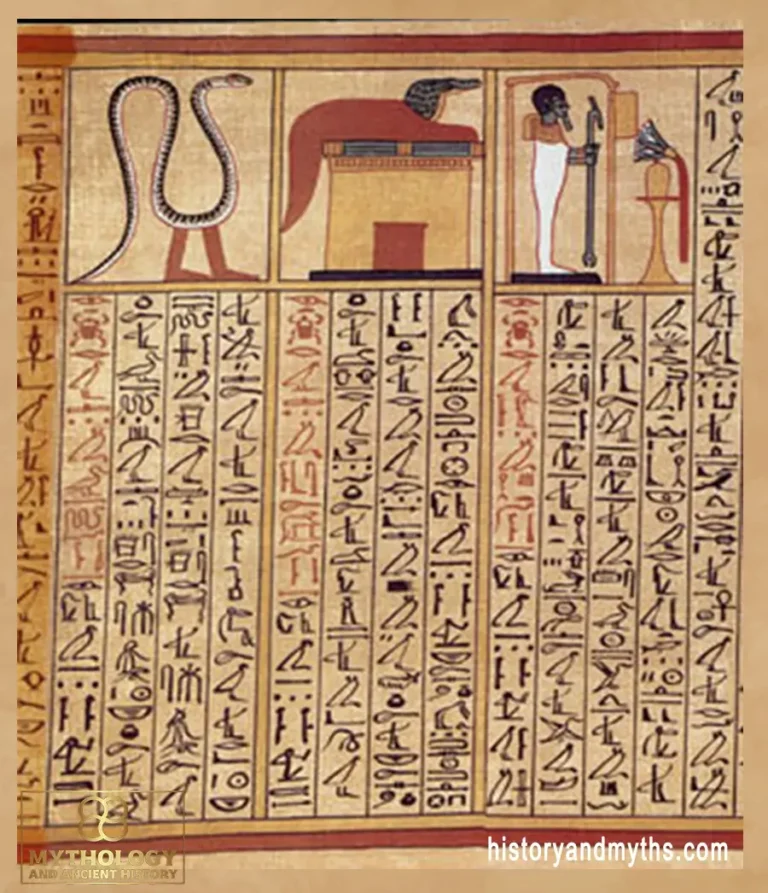
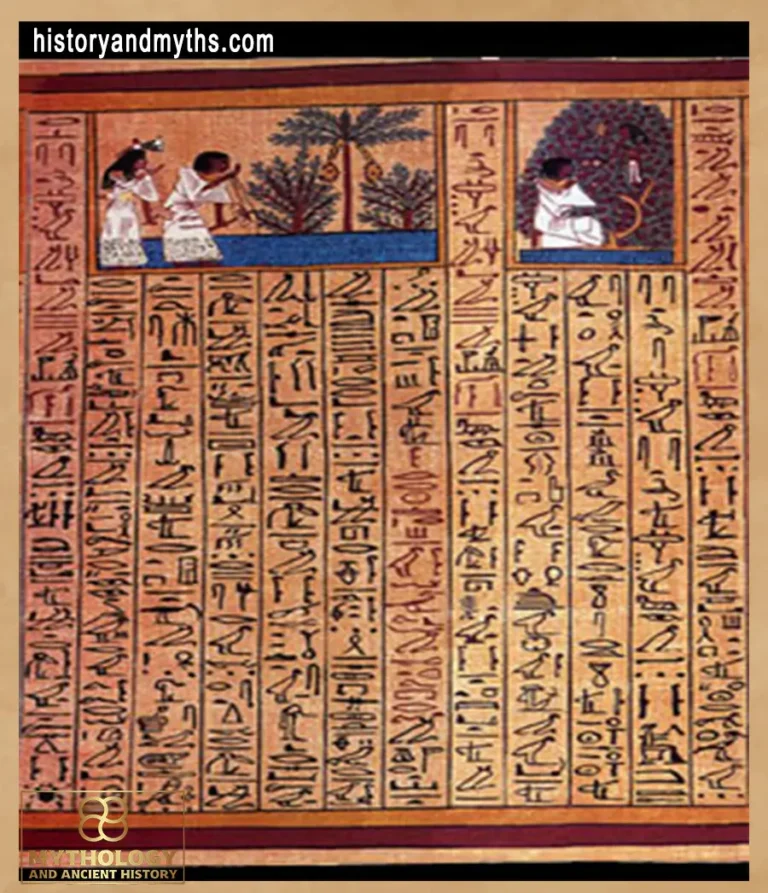
The final switch was words. Spoken names, brief formulas, or inscribed texts fixed the symbol’s role. Language stabilized intention. By naming a threat or invoking a protective force, Egyptians ensured that the symbol acted in a specific direction. Without words, a symbol could remain open-ended; with them, it became precise. This is why writing itself was considered a form of magic—symbols anchored by language could continue working long after the speaker was gone.
Together, these four switches explain how symbols functioned reliably across daily life, ritual, and death. Magic did not reside in the image alone, but in the system that allowed the image to act.
Symbols as Tools for Everyday Protection
Magical symbols in ancient Egypt were most powerful where human control was weakest. Their primary role was not spectacle, but quiet protection—operating in the background of daily life. People relied on symbols to guard moments of vulnerability, when ritual could not be constantly performed and danger could not always be seen.
The body was the first site of protection. Worn symbols acted as continuous safeguards, especially for children, pregnant women, and the sick. These symbols did not require attention to function. Once activated through form, material, and words, they worked silently, maintaining protection without repeated action. This made them ideal tools for daily life, where threats were unpredictable and persistent.
Homes were another critical space. Thresholds, doors, and sleeping areas marked points of transition where risk increased. Symbols placed in these locations controlled movement—deciding what could enter and what must be kept out. Their role was preventative rather than reactive. Instead of responding to danger after it appeared, symbols were meant to block it before it crossed a boundary.
Night intensified reliance on symbols. Darkness reduced visibility and awareness, making protection essential during sleep. Symbols placed near beds or worn overnight addressed the fear of unseen forces that moved freely in the dark. In this context, symbols did not fight chaos directly; they limited its access. Protection was achieved through containment, not confrontation.
What made these symbols effective was their endurance. Unlike spoken rituals, which faded once performed, symbols remained present. They turned protection into a constant condition rather than a temporary action. In a worldview where danger was cyclical, permanence mattered. Symbols ensured that safety did not depend on vigilance alone, but on systems designed to operate even when humans could not.
Symbols in Death — Guiding the Soul Through Risk
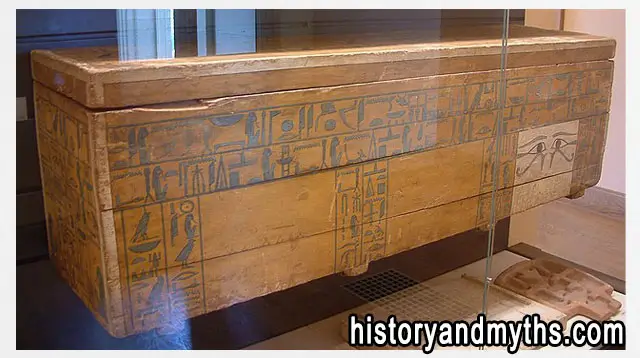
Death was the moment when symbols became most critical. In ancient Egyptian belief, the transition from life to the afterlife exposed the soul to extreme vulnerability. Darkness, disorientation, and hostile forces threatened memory, identity, and continuity. Symbols were not added to the funerary context for comfort or decoration; they functioned as instructions, safeguards, and stabilizers during this passage.
Funerary symbols acted as guides through unfamiliar territory. They marked paths, identified dangers, and affirmed the deceased’s place within cosmic order. Images and inscriptions inside coffins, on tomb walls, and on burial equipment worked together to maintain orientation. Without these symbolic anchors, the soul risked becoming lost, silent, or fragmented. Symbols ensured recognition—by gods, by guardians, and by the system of the afterlife itself.
Protection in death followed the same logic as protection in life, but with higher stakes. Symbols did not eliminate danger; they regulated it. They limited access to the body and soul, restrained hostile forces, and reinforced boundaries. In this sense, funerary symbolism was defensive rather than triumphant. Survival depended on correct preparation, not moral purity or divine favor alone.
Crucially, symbols in death were designed to operate without the living. Once placed, they worked autonomously. Written words spoke on behalf of the deceased. Images stood in for presence. Names fixed identity against erasure. This autonomy explains why precision was essential: errors could not be corrected after burial. A symbol had to work indefinitely, without supervision.
By embedding protection directly into the material environment of death, Egyptians transformed the afterlife into a managed process rather than an unknown abyss. Symbols made the invisible navigable. They did not promise safety without risk, but they ensured that risk could be faced with structure, continuity, and preparation.
How Magical Symbols Actually Worked
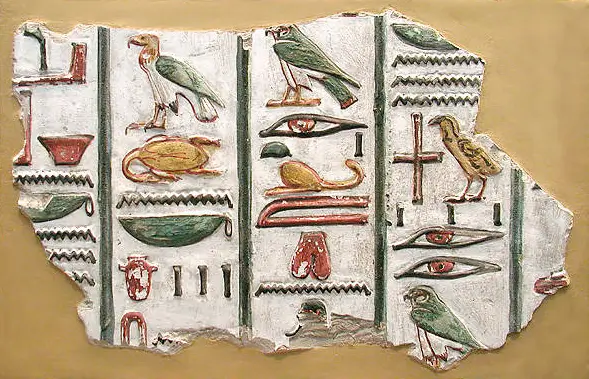
- Symbols performed action: Images and signs were expected to act, not merely represent ideas.
- Activation mattered: Form, context, material, and words had to align for effectiveness.
- Context defined function: The same symbol protected bodies, guarded homes, or guided the dead depending on placement.
- Materials amplified power: Color and substance directed the symbol’s effect toward protection, renewal, or restraint.
- Words fixed intention: Names and short formulas stabilized a symbol’s role over time.
- Continuity ensured safety: Once activated, symbols worked silently and continuously without supervision.
© historyandmyths.com — Educational use
Why the Same Symbol Changes Meaning Across Time
One of the most misunderstood aspects of Egyptian symbolism is the assumption that symbols had fixed, timeless meanings. In reality, symbols remained visually stable while their functions adapted. This flexibility was not a contradiction—it was a strength. Egyptian symbolism was designed to endure changing contexts without losing effectiveness.
The core form of a symbol rarely changed. Recognizability ensured continuity. What shifted was how and where the symbol was used. A symbol carved in a royal tomb served a different function than the same symbol worn on a child’s body or painted on a household object. The image remained the same; the risk it addressed did not. Meaning followed function, not the other way around.
Social context also mattered. Elite and non-elite uses of symbols often diverged. Royal and priestly contexts emphasized cosmic order and divine legitimacy, while popular usage focused on immediate protection, health, and survival. These layers did not conflict. They coexisted, allowing the same symbol to operate simultaneously on cosmic and personal levels.
Time introduced further adaptation. As religious emphasis shifted and new deities rose in prominence, symbols absorbed new associations without losing older ones. This accumulation did not dilute meaning; it expanded capacity. A symbol could protect, identify, and authorize all at once, depending on circumstances. Longevity required adaptability.
Understanding this dynamic prevents a common mistake: reading Egyptian symbols as static icons. They were tools embedded in living systems. Their power lay not in rigid definitions, but in their ability to respond to recurring human needs across generations. Stability of form combined with flexibility of function ensured that symbols remained effective long after their original contexts had changed.
Key Takeaways — Magical Symbols Explained
- Symbols were tools, not images: In ancient Egypt, a symbol was expected to act and perform protection.
- Meaning alone was insufficient: A symbol worked only when properly activated.
- Four elements ensured effectiveness: Form, context, material, and words determined a symbol’s function.
- Context changed function, not form: The same symbol adapted to body, home, or tomb without losing identity.
- Writing was a form of magic: Inscribed words fixed intention and allowed symbols to work continuously.
- Continuity mattered more than force: Symbols maintained safety through persistence, not confrontation.
Frequently Asked Questions About Magical Symbols in Ancient Egypt
What is a magical symbol in ancient Egyptian belief?
A magical symbol was an active tool, not a decorative image. Egyptians believed symbols could perform protection, control danger, and stabilize reality when properly activated.
How did Egyptians activate a symbol’s power?
Activation depended on correct form, proper context, suitable material and color, and the use of words or names that fixed the symbol’s function.
Is there a difference between symbols and decoration?
Yes. Decoration had visual value, while symbols were designed to act. A decorative image could be admired, but a symbol was expected to produce an effect.
Why were the same symbols used in homes, on bodies, and in tombs?
The symbol’s form stayed the same, but its function changed with context. The same sign could protect daily life, guard thresholds, or guide the dead.
Did symbols work without spoken rituals?
Yes. Once activated, symbols were believed to work continuously without supervision, which made them ideal for long-term protection.
Why was writing considered magical in ancient Egypt?
Writing fixed intention and made power permanent. An inscribed word or name could continue acting long after it was written.
Did symbols eliminate danger completely?
No. Symbols regulated and contained danger rather than destroying it, ensuring balance and continuity instead of final victory.
Sources & Rights
- Assmann, Jan. The Search for God in Ancient Egypt. Ithaca: Cornell University Press, 2001.
- Assmann, Jan. Death and Salvation in Ancient Egypt. Ithaca: Cornell University Press, 2005.
- Hornung, Erik. Conceptions of God in Ancient Egypt: The One and the Many. London: Routledge & Kegan Paul, 1982.
- Hornung, Erik. The Ancient Egyptian Books of the Afterlife. Ithaca: Cornell University Press, 1999.
- Pinch, Geraldine. Magic in Ancient Egypt. Austin: University of Texas Press, 1994.
- Pinch, Geraldine. Egyptian Mythology: A Guide to the Gods, Goddesses, and Traditions of Ancient Egypt. Oxford: Oxford University Press, 2002.
- Ritner, Robert K. The Mechanics of Ancient Egyptian Magical Practice. Chicago: Oriental Institute of the University of Chicago, 1993.
- Wilkinson, Richard H. Symbol and Magic in Egyptian Art. London: Thames & Hudson, 1994.
Written by H. Moses — All rights reserved © Mythology and History