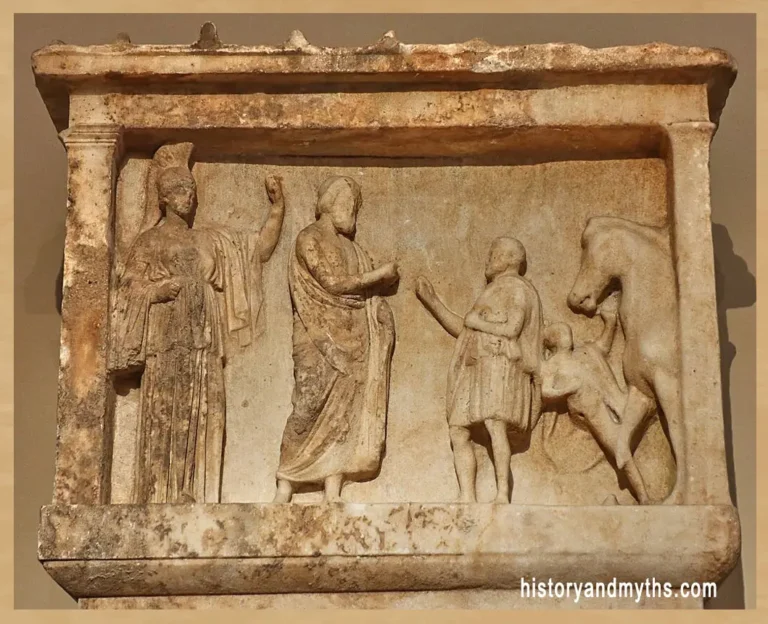
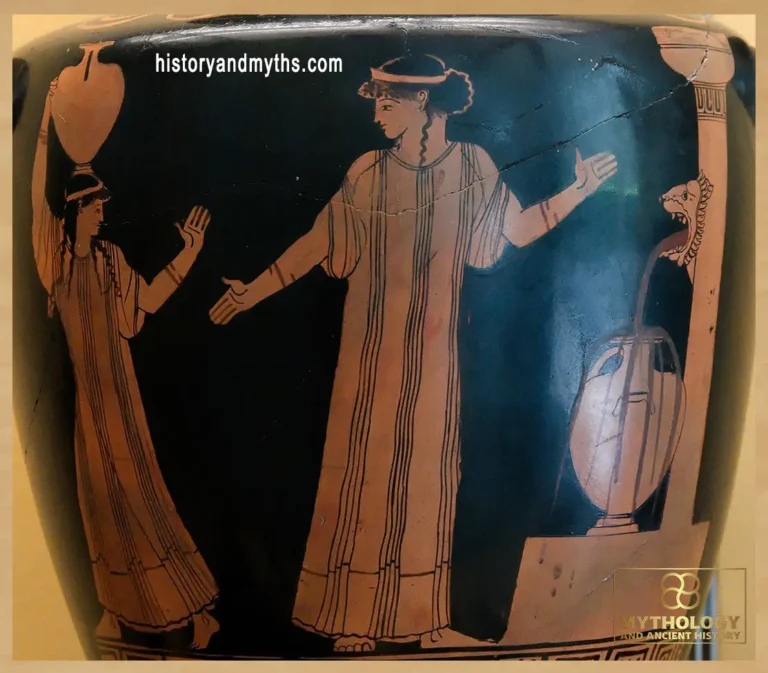
How Public Funds Were Controlled in Ancient Greece
Greek city-states developed systems to manage public funds, supervise spending, and organize financial responsibilities connected to government activity. Public money supported military campaigns, religious festivals, construction projects, administration, and other civic functions that required careful financial control inside the polis.
To manage these resources, Greek governments used officials, financial records, public accounting practices, and oversight mechanisms designed to monitor how state funds were collected and spent. These systems helped cities maintain political stability, support large public projects, and reduce the risk of financial misuse within government administration.
Why Public Funds Were Important to Greek Governments
Public funds played a central role in the functioning of Greek city-states because governments depended on shared financial resources to support military defense, religious activity, public construction, and civic administration. Large political communities required organized funding systems to maintain stability and respond to both daily needs and major emergencies.
Military campaigns placed especially heavy pressure on state finances. Fleets, fortifications, weapons, and military pay demanded substantial public spending, particularly in powerful maritime states such as Athens. Financial management therefore became closely connected to political strength and security.
Public money also supported visible civic projects that reinforced the authority and identity of the polis. Temples, roads, festivals, and administrative infrastructure required governments to organize and control resources on a collective scale rather than through private funding alone.
How Public Funds Were Controlled in Ancient Greece
| Financial Area | How Greek Governments Managed It |
|---|---|
| Revenue Collection | Taxes, tribute, port duties, and other public income sources |
| Financial Administration | Officials supervised collection, spending, and accounting |
| Public Accounting | Records and inscriptions documented financial activity |
| Military Spending | Public funds supported fleets, armies, and fortifications |
| Oversight | Review systems attempted to reduce financial misuse |
Who Managed Public Money
Greek city-states assigned specific officials to supervise public finances and oversee the movement of state resources. These administrators handled responsibilities connected to collecting revenue, authorizing spending, maintaining financial records, and monitoring funds linked to government activity.
In Athens, different financial officials managed different categories of public money rather than concentrating all authority in a single office. This division reduced administrative dependence on one individual and made financial management more structured across multiple areas of the state.
Treasurers connected to temples, military administration, or civic institutions could also control significant public resources. Religious sanctuaries sometimes functioned as important financial centers because sacred funds and state finances occasionally overlapped in practical administration.
Financial Records and Public Accounting
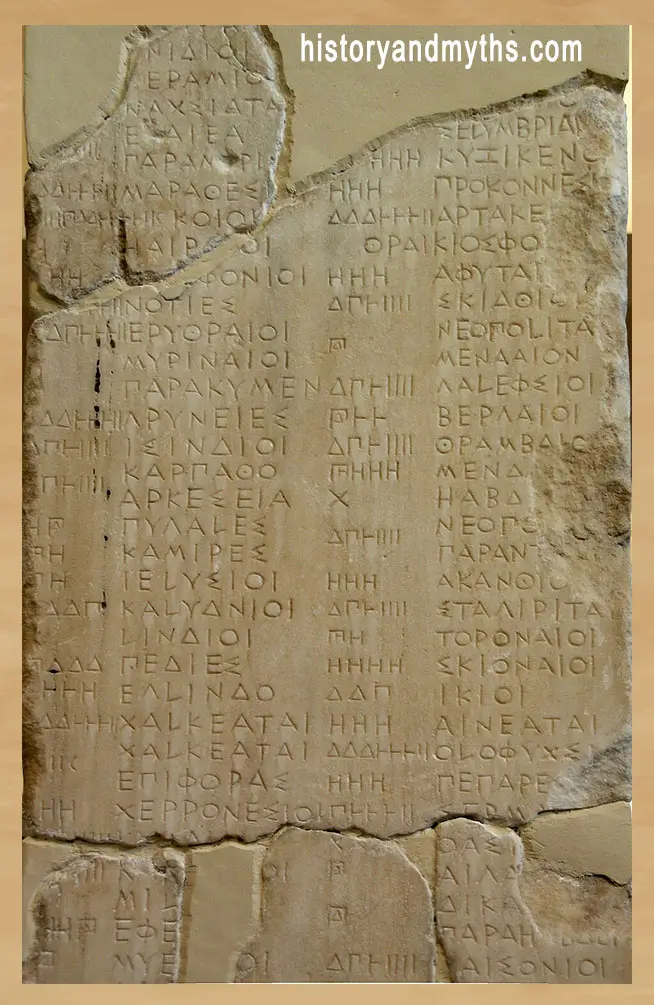
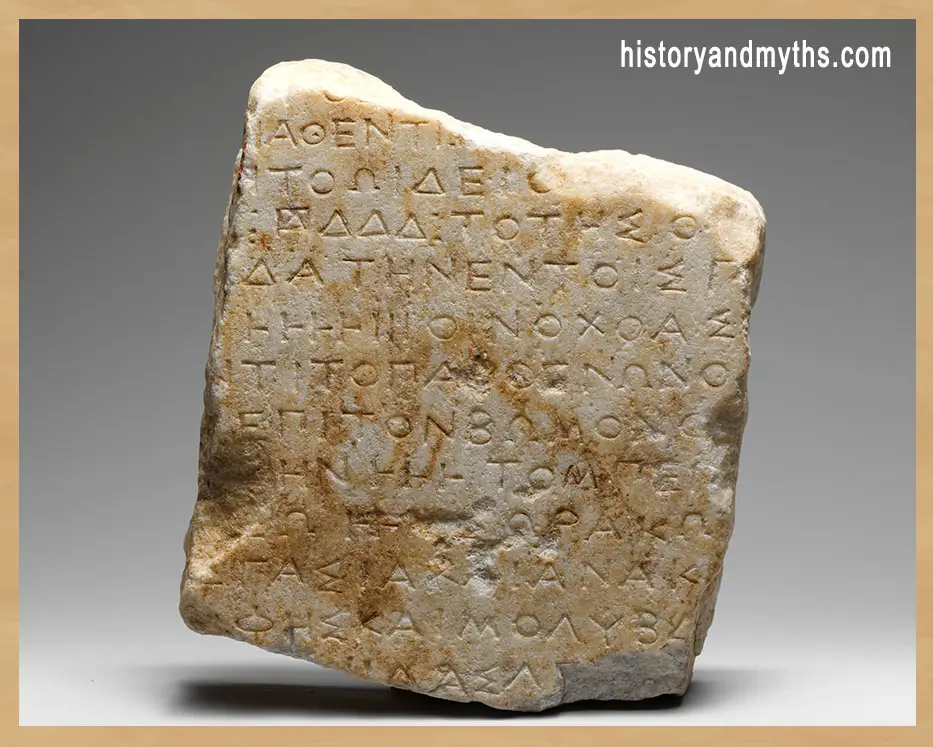
Greek governments relied on financial records to track how public money moved through the state. Revenues, expenditures, construction costs, military funding, and civic payments could be documented through inscriptions, written accounts, and administrative reporting systems connected to public institutions.
Some financial information was displayed publicly on stone inscriptions, allowing citizens to see how resources were allocated and managed. This visibility increased accountability because financial activity became part of the public political environment rather than remaining entirely hidden inside government administration.
Public accounting also improved long-term organization. Written records helped officials compare expenses, monitor ongoing projects, and manage state obligations more consistently across changing administrations and political circumstances.
Public Spending and Civic Projects
Greek governments directed public funds toward projects that supported both practical administration and collective civic identity. Construction of temples, defensive walls, harbors, roads, and public buildings required organized financial planning because these projects demanded labor, materials, and long-term maintenance.
Large civic programs also carried political importance. Visible public works demonstrated the strength, stability, and organizational capacity of the polis while improving infrastructure used by the wider population. State spending therefore became connected not only to utility, but also to political prestige and public confidence.
Religious festivals and ceremonial activities consumed significant public resources as well. Funding sacrifices, celebrations, and civic rituals helped reinforce social cohesion and the relationship between political authority and communal religious life.
Public Money Required Organized Administration
Ancient Greek governments used financial officials, accounting systems, public records, and oversight mechanisms to organize state revenue and supervise public spending. Control over public funds became essential for warfare, civic projects, religious activity, and political stability inside the polis.
© historyandmyths.com — Educational use
How Greek Cities Tried to Prevent Financial Abuse
Greek city-states developed oversight mechanisms intended to reduce misuse of public money and limit opportunities for financial misconduct within government administration. Officials responsible for state resources often operated under systems that required reporting, review, or public accountability connected to their financial decisions.
Division of responsibilities also acted as a form of protection. Different officials supervised separate financial areas, reducing the risk that a single individual could control large portions of public funds without scrutiny from other administrative bodies.
Public visibility increased additional pressure on financial management. In politically active communities such as Athens, handling state money carried significant civic attention because financial misconduct could damage political credibility and provoke public criticism.
Military Spending and Financial Pressure
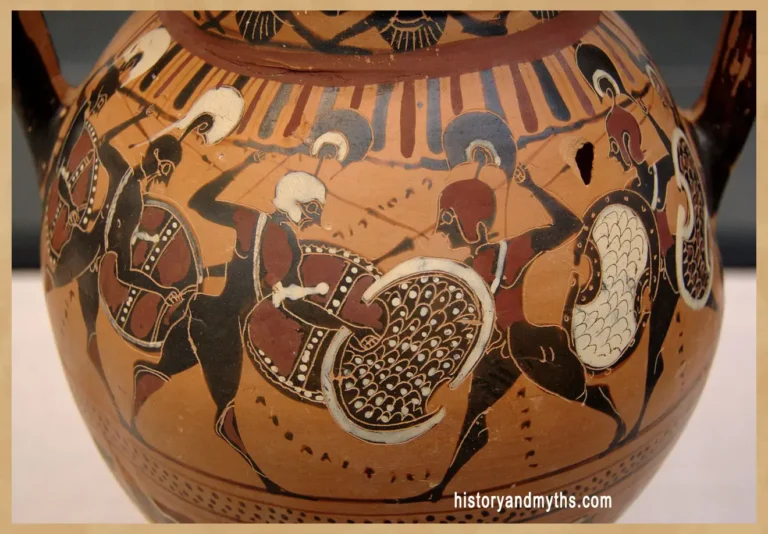
Warfare created some of the largest financial demands faced by Greek governments. Maintaining fleets, supplying armies, repairing fortifications, and preparing for extended campaigns required constant access to organized public funding, especially during periods of regional conflict.
Naval powers such as Athens faced particularly high expenses because triremes required construction, maintenance, equipment, and trained crews. Military emergencies could therefore place enormous pressure on state finances and force governments to manage resources carefully across multiple priorities.
Long wars also increased the importance of financial stability inside the polis. Governments that failed to organize revenue and control spending risked weakening military readiness, disrupting public administration, or creating political tension connected to economic strain.
Why Financial Control Strengthened Greek States
Control over public funds strengthened Greek governments by improving administrative organization and increasing the ability of the state to coordinate large civic responsibilities. Financial management allowed city-states to support military operations, maintain infrastructure, and sustain political institutions more consistently over time.
Organized financial systems also increased governmental stability during periods of pressure or expansion. States with stronger control over revenue and spending could respond more effectively to war, construction demands, and changing political conditions without relying entirely on irregular private contributions.
Financial oversight further reinforced political authority because public administration became more predictable and structured. The ability to collect, manage, and supervise resources helped transform Greek city-states into more organized political systems capable of operating beyond small informal communities.
Why Public Financial Transparency Mattered
Public visibility played an important role in Greek financial administration because citizens were more likely to trust government spending when financial activity remained open to civic observation. Displaying accounts, decrees, or expenditure records in public spaces helped connect state finances to broader political accountability.
Transparency also discouraged some forms of financial misconduct. Officials managing public money operated under greater pressure when records and financial decisions could become visible to other citizens, political bodies, or future administrators.
Public financial display further reinforced the idea that state resources belonged to the polis rather than to individual officeholders. Financial administration therefore became tied not only to accounting efficiency, but also to civic legitimacy and public confidence.
Different Sources of Public Revenue
Greek governments relied on multiple sources of revenue to support public spending and maintain state operations. Taxes, harbor duties, tribute payments, fines, mining income, and revenues connected to trade all contributed to the financial resources available to the polis.
In powerful states such as Athens, allied tribute from the Delian League became a major source of public income during periods of imperial expansion. Maritime commerce and port activity also generated significant revenue in cities heavily involved in regional trade networks.
Religious sanctuaries could contribute financially as well through sacred funds, offerings, or temple-controlled resources connected to civic institutions. These combined revenue streams allowed Greek governments to support military campaigns, construction projects, and administrative systems on a larger scale.
Key Takeaways
- Greek city-states developed systems to manage and supervise public funds.
- Public money supported warfare, civic projects, religion, and administration.
- Financial officials handled collection, spending, and accounting responsibilities.
- Public accounting records improved organization and financial oversight.
- Military spending created major pressure on Greek state finances.
- Public visibility increased scrutiny of financial administration.
- Financial control strengthened political stability and state organization.
Frequently Asked Questions
How did Ancient Greek governments control public funds?
Greek city-states used financial officials, accounting systems, public records, and oversight mechanisms to supervise public money.
What were public funds used for in Ancient Greece?
Public money supported military campaigns, civic construction, religious festivals, administration, and infrastructure projects.
Who managed public finances in Ancient Greece?
Different officials and treasurers supervised revenue collection, spending, accounting, and financial administration.
Did Greek governments keep financial records?
Yes. Financial transactions, expenditures, and public accounts could be recorded through inscriptions and administrative documents.
Why was financial transparency important?
Public visibility increased trust in government spending and reduced opportunities for financial misuse.
How did wars affect Greek state finances?
Military campaigns required major public spending on fleets, armies, fortifications, and supplies.
What were the main sources of public revenue in Ancient Greece?
Governments collected revenue through taxes, tribute, port duties, trade-related income, fines, and sacred funds.
Why did financial control strengthen Greek states?
Organized financial systems improved political stability, administrative efficiency, and long-term state coordination.
Sources & Rights
- Hansen, Mogens Herman. The Athenian Democracy in the Age of Demosthenes. University of Oklahoma Press, 1999.
- Rhodes, P. J. A Commentary on the Aristotelian Athenaion Politeia. Oxford University Press, 1981.
- Meiggs, Russell. The Athenian Empire. Oxford University Press, 1972.
- Kallet, Lisa. Money and the Corrosion of Power in Thucydides. University of California Press, 2001.
- Davies, John K. Democracy and Classical Greece. Harvard University Press, 1993.
- Finley, Moses I. The Ancient Economy. University of California Press, 1999.
- Osborne, Robin. Greece in the Making: 1200–479 BC. Routledge, 2009.
- Hornblower, Simon. The Greek World: 479–323 BC. Routledge, 2011.
- Cartledge, Paul. Ancient Greek Political Thought in Practice. Cambridge University Press, 2009.
- Ober, Josiah. Mass and Elite in Democratic Athens. Princeton University Press, 1989.
- Aristotle. The Athenian Constitution. Academic translated editions.
- Rhodes, P. J. The Greek City States: A Source Book. Cambridge University Press, 2007.
- Gabrielsen, Vincent. Financing the Athenian Fleet. Johns Hopkins University Press, 1994.
- Burford, Alison. Land and Labor in the Greek World. Johns Hopkins University Press, 1993.
- Cohen, Edward E. Athenian Economy and Society. Princeton University Press, 1992.
- Andreades, A. M. A History of Greek Public Finance. Harvard University Press, 1933.
- Raaflaub, Kurt A. The Discovery of Freedom in Ancient Greece. University of Chicago Press, 2004.
- Connor, W. Robert. The New Politicians of Fifth-Century Athens. Princeton University Press, 1971.
- Murray, Oswyn. Early Greece. Harvard University Press, 1993.
- Hansen, Mogens Herman and Nielsen, Thomas Heine. An Inventory of Archaic and Classical Poleis. Oxford University Press, 2004.
Written by H. Moses — All rights reserved © Mythology and History