How Ancient Greek Citizens Received Political Information
Ancient Greek governments depended on citizens knowing what laws, debates, military actions, and political decisions were taking place. Information moved through assemblies, heralds, public announcements, inscriptions, and daily discussion inside shared civic spaces such as the agora. In many cities, political participation was impossible without constant access to public information.
This system relied on more than written records. Most political communication spread through speech, public reading, and face-to-face interaction. Citizens learned about decisions by hearing them announced, discussed, repeated, and debated in public life. Understanding how this information circulated reveals how Greek political systems connected government activity to ordinary citizens.
Why Political Information Had to Reach Ordinary Citizens
Greek political systems depended on public awareness in ways many ancient states did not. Decisions about war, taxation, alliances, religious festivals, and legal changes affected large parts of the population, and in some cities citizens were expected to participate directly in political life. A government could not rely on participation if people remained unaware of what was happening.
This made communication part of administration itself. Information was not treated as something separate from politics. Public decisions had to circulate through the city so citizens could respond to them, obey them, debate them, or act on them when necessary.
The need became even more important during periods of conflict or political tension. Delayed or limited access to information could create confusion, weaken public trust, or reduce support for government action. Keeping citizens informed therefore helped maintain stability inside the city-state.
Political communication also shaped civic identity. Citizens who regularly heard debates, announcements, and public decisions became connected to the affairs of the polis in everyday life rather than only during major events.
How Political Information Reached Greek Citizens
| Channel | Function |
|---|---|
| Assemblies | Spread debates, proposals, and official decisions |
| Agora | Allowed political discussion and rapid circulation of news |
| Heralds | Delivered official announcements and instructions |
| Public Readers | Read official texts aloud to wider audiences |
| Oral Communication | Moved information quickly through conversation and public interaction |
Public Spaces as Information Networks
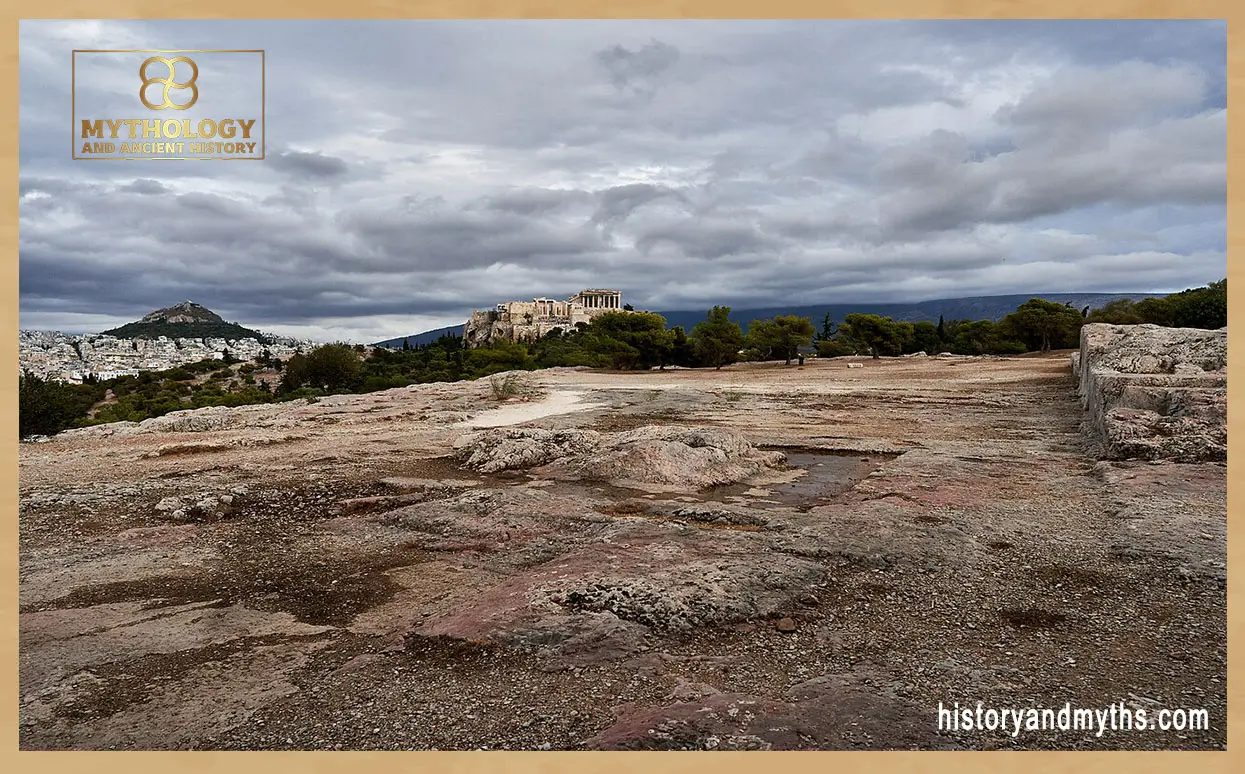
Political information in Ancient Greece spread most effectively through places where people naturally gathered. The agora, assembly areas, temples, law courts, and busy streets functioned as communication hubs where news and decisions moved quickly through direct contact.
These spaces allowed information to circulate beyond official announcements. Citizens discussed speeches, repeated rumors, argued over policies, and exchanged updates about military campaigns or political disputes. A person did not need access to written documents to become aware of public affairs. Presence inside civic life itself exposed people to political information.
The agora was especially important because it combined economic, social, and political activity in one environment. Merchants, travelers, officials, and citizens interacted constantly, allowing news to move across different groups inside the city. Information could spread through ordinary conversation long before formal records reached wider audiences.
This made public space an essential part of how Greek political systems operated. Communication depended not only on institutions, but also on the physical environments where citizens encountered one another daily.
How Assemblies Spread Political Information
Assemblies did more than produce decisions. They exposed large groups of citizens to political arguments, proposals, and conflicts while those issues were still being discussed. People who attended could hear policies explained publicly rather than receiving only the final outcome afterward.
This gave assemblies an important communication function inside the city-state. Citizens carried information out of these gatherings and repeated it within families, workshops, neighborhoods, and marketplaces. Political knowledge therefore continued spreading after the meeting itself had ended.
Assemblies also helped standardize information. Public speeches and official procedures created a shared reference point that reduced uncertainty about major issues facing the polis. Even when citizens disagreed politically, they were often reacting to the same public discussions rather than isolated private reports.
In this way, assemblies operated as both political institutions and channels through which information moved across the wider community.
Political Information Was Part of Civic Life
Ancient Greek political systems depended on information moving constantly through public life. Assemblies, marketplaces, heralds, and public readings connected citizens to decisions, debates, and state actions. Political communication was not separate from government activity — it was one of the mechanisms that allowed the polis to function.
© historyandmyths.com — Educational use
The Role of Heralds and Public Readers
Not all citizens learned about political developments by attending assemblies directly. Heralds and public readers helped carry information beyond the people physically present during official proceedings. Their announcements allowed decisions, warnings, and instructions to reach broader audiences inside the city.
Public reading was especially important in a society where information often spread orally. Official texts could be read aloud in civic spaces so that knowledge did not remain limited to those able to examine inscriptions or written records themselves. Hearing information publicly also reinforced its authority because the message appeared connected to the state rather than to rumor or private interpretation.
Heralds performed a similar role during gatherings, ceremonies, military situations, and diplomatic activity. They transmitted messages in forms people could immediately recognize as official communication. This gave governments a practical way to spread information quickly across the community.
Continue Reading
- How Heralds Worked in Ancient Greece
- How Public Announcements Worked in Ancient Greece
- How Public Decisions Were Recorded in Ancient Greece
Why Oral Communication Still Dominated
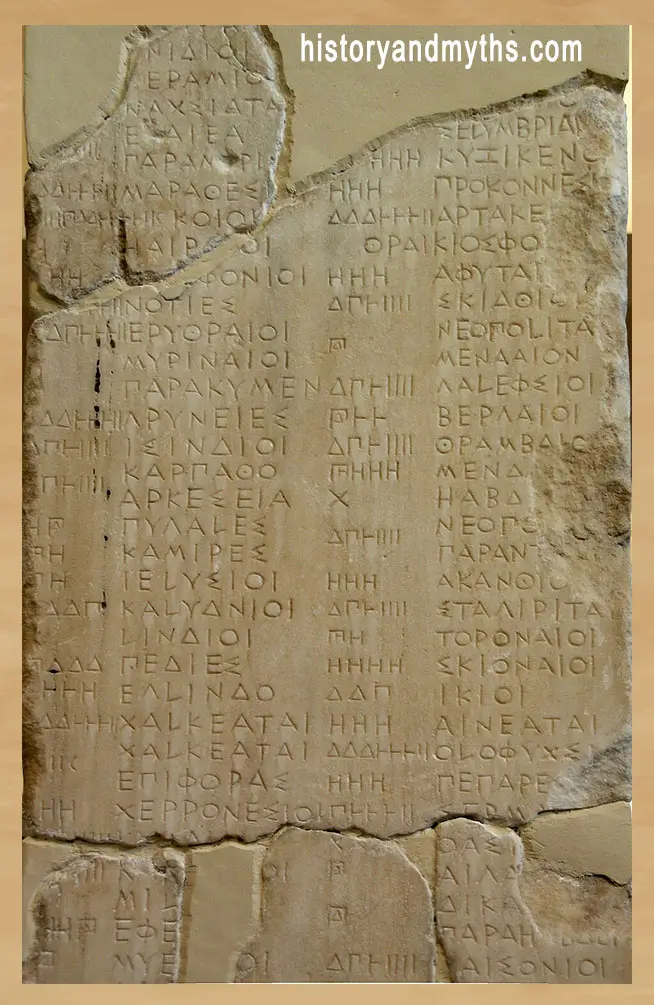
Written inscriptions and official records existed throughout Greek political life, but most information still moved through speech. Public announcements, conversations, debates, and repeated retellings allowed news to travel faster and reach more people than written texts alone.
This reflected the realities of daily life. Citizens encountered political information while listening in assemblies, talking in the agora, hearing announcements in public spaces, or discussing events inside their social networks. Even when a decree existed in written form, many people learned about it through oral explanation rather than direct reading.
Oral communication also allowed information to adapt to immediate situations. News about military threats, political conflicts, or urgent public measures could spread rapidly without waiting for permanent inscriptions or formal copies to circulate.
Greek political systems therefore depended on a combination of written authority and spoken transmission rather than on documents alone.
How Information Became Political Influence
Access to political information affected how citizens understood events, supported leaders, and responded to government action. People who received news early or heard persuasive public speeches could shape discussion inside assemblies, markets, and social groups before others fully understood the situation.
This made communication a source of influence rather than a neutral process. Public speakers, officials, heralds, and politically active citizens all competed to frame events in ways favorable to their interests. Control over interpretation often mattered as much as control over the information itself.
The speed of communication also influenced political outcomes. Delays, rumors, or selective reporting could change public reactions during moments of crisis or debate. Governments therefore depended not only on spreading information, but also on maintaining enough authority for official communication to remain trusted inside the community.
Key Takeaways
- Greek governments relied on citizens receiving political information regularly.
- Public spaces acted as major communication networks inside the polis.
- Assemblies spread political knowledge beyond official voting.
- Heralds and public readers helped governments communicate with wider audiences.
- Oral communication remained more influential than written texts alone.
- Control over information shaped political influence and public opinion.
Frequently Asked Questions
How did Greek citizens receive political information?
Citizens received political information through assemblies, heralds, public announcements, oral discussion, and activity inside civic spaces such as the agora.
Why was political communication important in Ancient Greece?
Political systems in many Greek city-states depended on citizens understanding laws, decisions, debates, and public actions.
Did most Greeks learn politics through writing?
No. Oral communication remained the main way political information spread across the population.
What role did the agora play in spreading information?
The agora functioned as a central meeting space where news, political discussion, and public information circulated daily.
How did assemblies spread political knowledge?
Assemblies exposed citizens to speeches, debates, proposals, and decisions that were later discussed throughout the city.
Who announced official information in Ancient Greece?
Heralds and public readers delivered official announcements and read important texts aloud in public settings.
Why did oral communication remain dominant?
Speech allowed information to move quickly through public life and reach people beyond written records and inscriptions.
Sources & Rights
- Hansen, Mogens Herman. The Athenian Democracy in the Age of Demosthenes. University of Oklahoma Press, 1999.
- Hansen, Mogens Herman. Polis: An Introduction to the Ancient Greek City-State. Oxford University Press, 2006.
- Rhodes, P. J. A History of the Classical Greek World: 478–323 BC. Wiley-Blackwell, 2010.
- Rhodes, P. J. The Athenian Boule. Oxford University Press, 1972.
- Thomas, Rosalind. Literacy and Orality in Ancient Greece. Cambridge University Press, 1992.
- Ober, Josiah. Mass and Elite in Democratic Athens. Princeton University Press, 1989.
- Finley, Moses I. Politics in the Ancient World. Cambridge University Press, 1983.
- Cartledge, Paul. Ancient Greece: A History in Eleven Cities. Oxford University Press, 2011.
- Osborne, Robin. Greece in the Making: 1200–479 BC. Routledge, 2009.
- Hornblower, Simon. The Greek World: 479–323 BC. Routledge, 2011.
- Sinclair, R. K. Democracy and Participation in Athens. Cambridge University Press, 1988.
- Forsdyke, Sara. Slaves Tell Tales and Other Episodes in the Politics of Popular Culture in Ancient Greece. Princeton University Press, 2012.
- Davies, John K. Democracy and Classical Greece. Harvard University Press, 1993.
- Connor, W. Robert. The New Politicians of Fifth-Century Athens. Princeton University Press, 1971.
- Meiggs, Russell and Lewis, David. A Selection of Greek Historical Inscriptions. Oxford University Press, 1988.
- Yunis, Harvey. Demosthenes: On the Crown. Cambridge University Press, 2001.
- Sealey, Raphael. The Athenian Republic. Pennsylvania State University Press, 1987.
- Murray, Oswyn. Early Greece. Harvard University Press, 1993.
Written by H. Moses — All rights reserved © Mythology and History