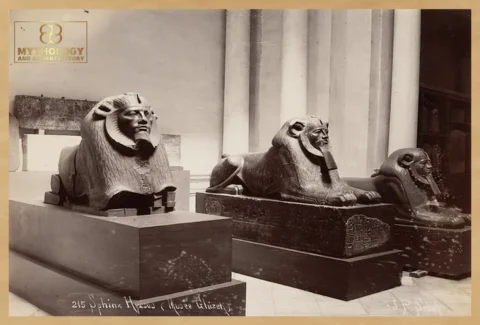
Daily Life of Egyptian Pharaohs: Power, Rituals, and Luxury
The daily life of Egyptian pharaohs was not simply a story of luxury, servants, and palace comfort. A pharaoh’s day was shaped by power, ritual, administration, and public image. As ruler of Egypt and divine representative of the gods, the king had to appear wealthy, controlled, sacred, and politically active at the same time. His routine could include bathing and dressing rituals, meetings with officials, temple ceremonies, legal decisions, banquets, hunts, and public appearances. These activities were not private habits only; they reinforced the pharaoh’s authority and reminded Egyptians that royal life was tied to order, religion, and the stability of the kingdom.
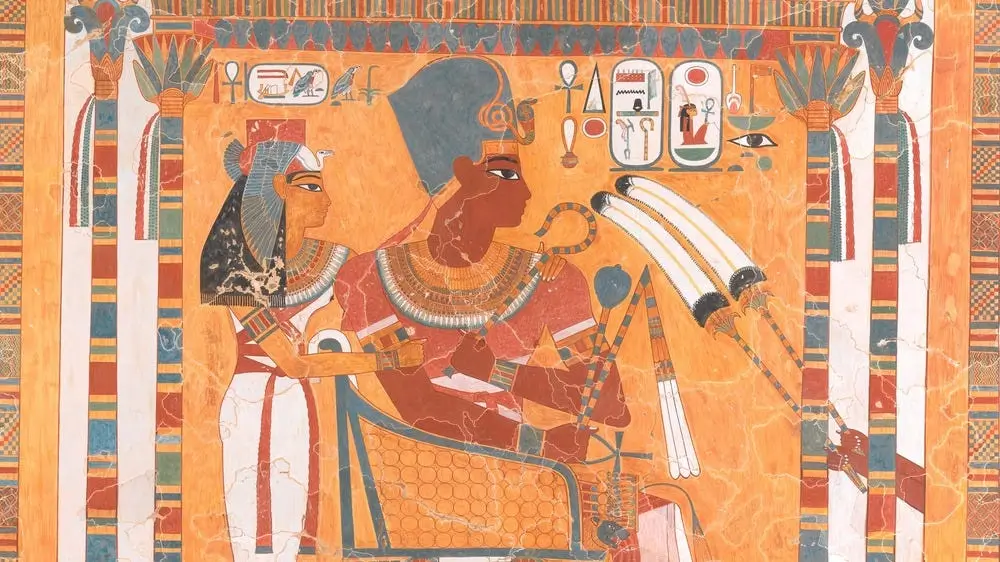
Morning Routine of an Egyptian Pharaoh
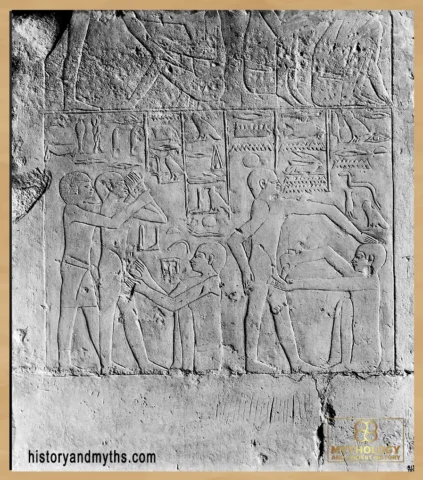
After rising from their beds in the morning, pharaohs were greeted by servants who prepared them for the day.
These roles brought servants into close proximity with the pharaohs, even assisting them with bathing.
Some rulers, like Hatshepsut, preferred to perfume themselves with rich oils to emphasize their high status.
After bathing, an army of stylists specializing in everything from sandals to wigs would gather to dress them.
| Daily Aspect | Description | Why It Matters |
|---|---|---|
| Morning Rituals | Bathing, dressing, perfumes, wigs, and adornment | Reinforced divine status and royal identity |
| Administration | Receiving officials, issuing orders, legal judgments | Shows the pharaoh as an active ruler, not ceremonial |
| Religious Duties | Temple visits, offerings, priestly supervision | Linked kingship with divine order |
| Court Life | Constant entourage of officials and guards | Reflected power and political networks |
| Leisure & Display | Hunting, banquets, city appearances | Demonstrated strength, wealth, and dominance |
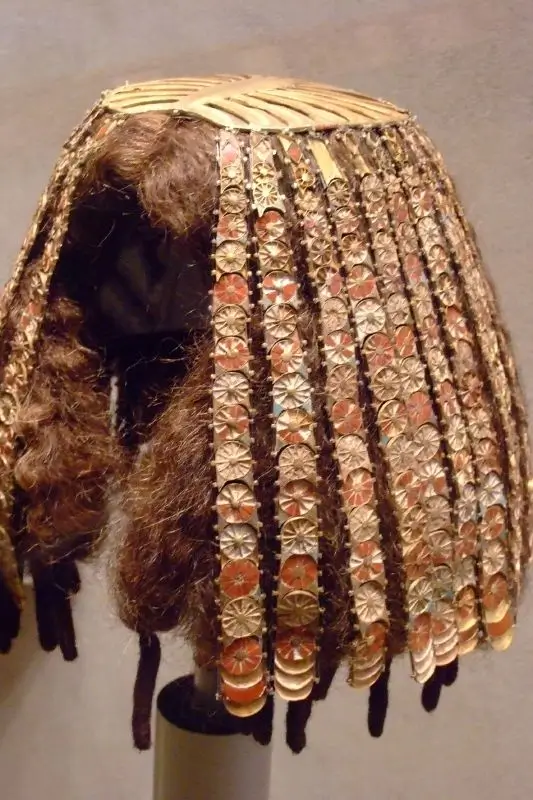
Royal Appearance, Wigs, and Symbols of Power
Wigs were a serious business in ancient Egypt, to the extent that there were laws governing who could and couldn’t wear them.
Legally, slaves couldn’t wear wigs, and the more elite you were, the better the quality of your wig.
Royal wigs were the most elaborate, sometimes adorned with gold and silver threads.
Wigs weren’t just for the top of the royal heads. Pharaohs occasionally wore false beards for special events.
These beard wigs became symbols of a pharaoh’s power, worn to demonstrate that they were living gods on Earth.
Government Duties and Daily Administration
With great power comes great responsibility, or rather, back-to-back meetings.
According to the Greek historian Diodorus, all the actions of the pharaohs were regulated by laws—not only their administrative acts but also their daily activities and the food they ate.
However, Egyptologist Adolf Erman suggested that Diodorus’s view of a highly regimented day was likely more idealized than reality.
Nevertheless, pharaohs had religious and legal duties, such as participating in ceremonies and making judgments, which they fulfilled every day.
They usually spent their mornings receiving guests and addressing issues; it wasn’t optional.
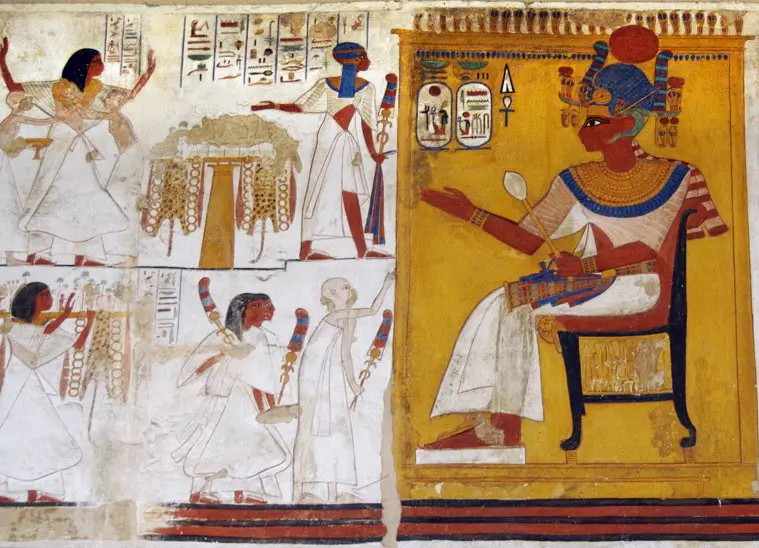
Life of the Pharaoh as a Civil Institution
- Divine Kingship: The pharaoh was both ruler and god on earth.
- Public Presence: Daily life was carefully staged for visibility.
- Religious Authority: Ritual duties were inseparable from governance.
- Social Hierarchy: Court life reinforced status and loyalty.
- Symbolic Power: Appearance and behavior communicated control.
Religious Responsibilities of the Pharaoh
According to Diodorus, these tasks were mandatory. Whenever pharaohs left the palace, they traveled in chairs carried by servants.
A fan bearer’s job could reflect a close personal relationship with the pharaoh, and it’s suggested that these fan bearers might have been part of the pharaoh’s bodyguard.
Pharaohs weren’t just kings of Egypt; they also claimed to be deities, serving as intermediaries between humans and gods.
Because of this divine aspect of their title, their days were filled with a wide range of religious duties, such as appointing priests, ordering temple construction, and participating in ceremonies.
– For more about Ancient Egypt
While Egyptian commoners mostly ate bread, beer, vegetables, and fish, royals enjoyed a more luxurious diet.
Royal banquets might include dishes like goose, bull, and fresh fruits such as dates and figs. Wine was the drink of choice at royal courts.
Marriage, Family, and the Royal Household
While the vast majority of ancient Egyptians practiced monogamy, kings were allowed multiple wives.
Male pharaohs had a Great Royal Wife, the highest-ranking wife, along with lesser wives, concubines, and harems.
According to author Charlotte Booth, these harems showcased the king’s wealth.
In other words, the bigger the harem, the wealthier the pharaoh. These relationships often resulted in many children.
Ramses II, for instance, was reputed to have fathered over 100 children by his wives and concubines.
Hunting, Travel, and Public Appearances
Pharaohs might pass the time traveling through the city, drawing large crowds of spectators.
Since pharaohs determined where temples were built, they might also visit construction sites.
Although all pharaohs invested in construction projects, Ramses II was particularly prolific.
He used his building projects as propaganda to demonstrate his power.
Only royals could hunt big game like lions, though pharaohs sometimes allowed other elites to join.
Hunting wasn’t necessary, as kings had all the food they needed prepared for them, but it was entertainment for the king and court alike, and they didn’t need hunting skills.
Pharaohs used the royal hunt to demonstrate their strength and show, as scholar Peter Lacovara put it, the king’s mastery of the natural world.
King Tutankhamun seems to have been no exception, with scenes in his tomb showing the young king returning from an ostrich hunt.
Life at Court and Political Risks
Sometimes, a pharaoh’s authority was challenged by family members.
In 1155 BC, Ramses III was embroiled in the infamous harem conspiracy, where one of his wives, Tiy, likely orchestrated the plot so her son could rule.
Ancient Egyptian royals certainly led colorful, larger-than-life existences.
Key Takeaways
- Pharaohs led highly structured and demanding daily lives.
- Royal routines reinforced divine and political authority.
- Appearance and ceremony were tools of governance.
- Religion shaped every aspect of royal life.
- Leisure activities served symbolic and political purposes.
Frequently Asked Questions
Did pharaohs really work every day?
Yes, pharaohs handled administrative, religious, and legal duties daily.
Why were wigs important for pharaohs?
Wigs symbolized status, purity, and divine authority.
Were pharaohs considered gods?
Pharaohs were seen as divine intermediaries between gods and humans.
How did pharaohs spend their free time?
They attended banquets, hunted, and made public appearances.
Did all pharaohs have multiple wives?
Kings could have multiple wives, but one held the title of Great Royal Wife.
Sources & Rights
- Erman, Adolf. Life in Ancient Egypt.
- Shaw, Ian. The Oxford History of Ancient Egypt.
- Lacovara, Peter. The World of Ancient Egypt.
- Booth, Charlotte. The Role of the Pharaoh.
- British Museum. Royal Court and Kingship in Ancient Egypt.
Written by H. Moses — All rights reserved © Mythology and History